
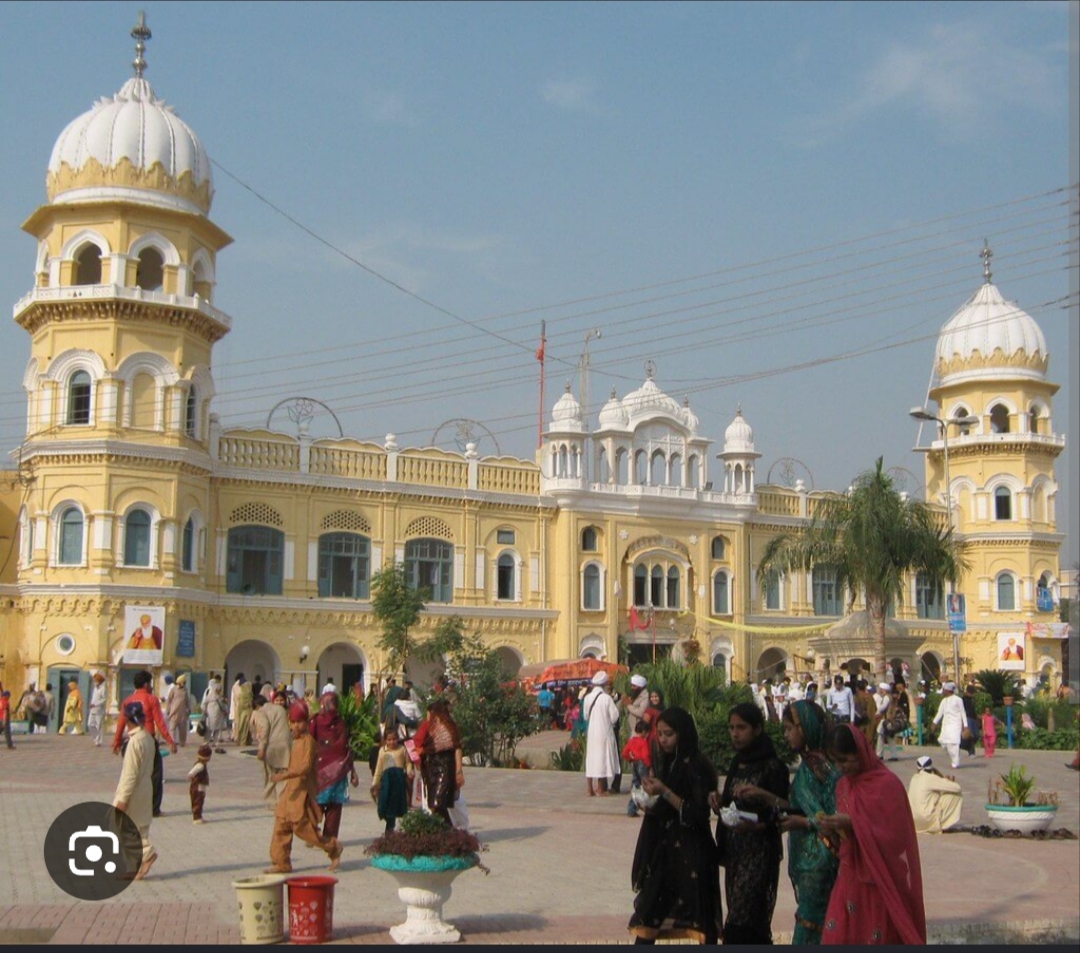
Sikh Religious Houses in Pakistan: Gurdwaras and Sacred Sites
Pakistan is home to a vast and profound Sikh heritage. Although Sikhism originated in the Punjab region (now divided between India and Pakistan), a significant majority of historical sites associated with the Sikh Gurus lie within present-day Pakistan. These Sikh religious houses, known as Gurdwaras, serve as places of worship, reflection, and pilgrimage. They commemorate key events in the lives of Guru Nanak Dev Ji (the founder of Sikhism) and other Gurus.
Estimates suggest there are around 195 or more historical Gurdwaras across Pakistan, with the highest concentration in Punjab province. Many have been renovated and maintained by the Evacuee Trust Property Board (ETPB) in collaboration with the Pakistan Sikh Gurdwara Parbandhak Committee (PSGPC). Prominent sites attract thousands of Sikh pilgrims annually, especially from India via the Kartarpur Corridor and from the global Sikh diaspora.
Major Sikh Gurdwaras in Pakistan
Here are some of the most important and frequently visited Sikh religious sites:
1. Gurdwara Janam Asthan (Nankana Sahib)
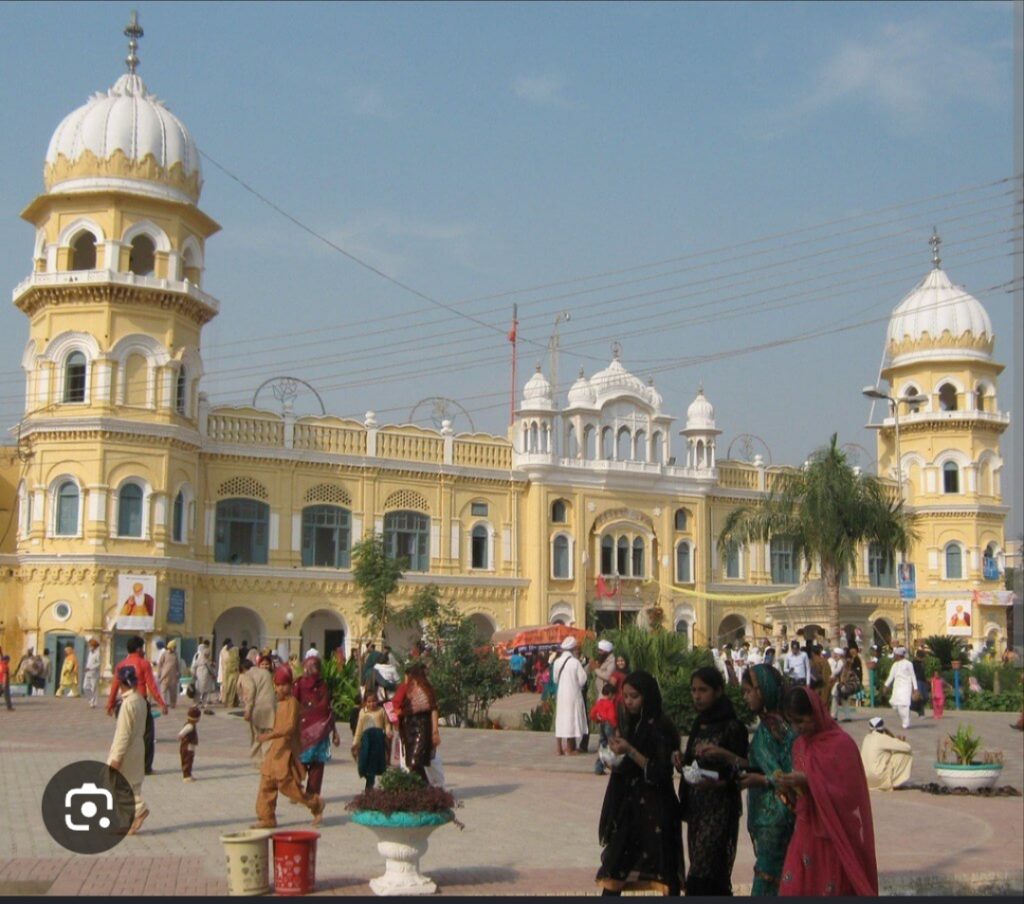
- Location: Nankana Sahib, about 75-80 km southwest of Lahore, Punjab.
- Significance: Birthplace of Guru Nanak Dev Ji (1469). It is one of the holiest sites in Sikhism, often compared to the Golden Temple in Amritsar.
- Highlights: Complex includes multiple Gurdwaras such as Gurdwara Bal Lilah, Gurdwara Patti Sahib, Gurdwara Mall Ji Sahib, and Gurdwara Kiara Sahib. Large numbers of pilgrims visit during Gurpurabs (anniversaries).
2. Gurdwara Darbar Sahib Kartarpur (Kartarpur Sahib)
- Location: Kartarpur, Narowal District, near the India-Pakistan border.
- Significance: Where Guru Nanak spent his final 18 years and passed away in 1539. It is the second most sacred site after Nankana Sahib.
- Highlights: Opened via the Kartarpur Corridor in 2019, allowing visa-free access for Indian Sikh pilgrims. A major symbol of peace and people-to-people ties.
3. Gurdwara Panja Sahib
- Location: Hasan Abdal, Attock District (near Rawalpindi/Islamabad).
- Significance: Commemorates a miracle where Guru Nanak stopped a rolling boulder with his hand, leaving a sacred imprint (Panja).
- Highlights: A spring with fresh water and the handprint on a rock. It is a major pilgrimage site and has been declared a holy city area.
4. Gurdwara Dera Sahib
- Location: Lahore, near Lahore Fort and Badshahi Mosque.
- Significance: Associated with the martyrdom of Guru Arjan Dev Ji.
- Highlights: Located in the heart of historic Lahore, it forms part of the city’s rich multicultural heritage.
5. Gurdwara Rori Sahib
- Location: Eminabad (near Gujranwala).
- Significance: Marks where Guru Nanak rested on a bed of pebbles (Rori) during his travels.
- Highlights: Part of several connected sites in the area, including Gurdwara Chakki Sahib.
Other Notable Gurdwaras
- Gurdwara Sacha Sauda (Farooqabad) — Site where Guru Nanak fed the hungry.
- Gurdwara Shahid Ganj Bhai Taru Singh (Lahore) — Commemorates Sikh martyrs.
- Gurdwara Bhai Joga Singh and others in Peshawar.
- Gurdwaras in Sialkot, Kasur, Sheikhupura, and smaller towns across Punjab.
- Sites in Sindh (e.g., the newly opened large Gurdwara in Sindh) and other provinces.
Lahore alone has dozens of historical Gurdwaras, many documented with coordinates in heritage guides.
Historical and Cultural Context
Sikhism has deep roots in the land that is now Pakistan. Guru Nanak was born and lived most of his life here. During the Sikh Empire under Maharaja Ranjit Singh, many Gurdwaras were developed or expanded. After the 1947 Partition, most Sikh populations migrated to India, leaving these sites behind. However, efforts by the Pakistani government, local Sikh communities (especially in Nankana Sahib), and international pilgrims have led to restoration and better maintenance in recent decades.
The Kartarpur Corridor represents a landmark initiative for religious tourism and cross-border harmony.
Visiting Sikh Gurdwaras in Pakistan
- Best Time: Gurpurabs (birth/death anniversaries of Gurus), especially Guru Nanak’s birthday in November.
- Access: Pakistani Sikhs and international visitors can visit freely. Indian pilgrims use the Kartarpur Corridor for Kartarpur Sahib and organized tours for other sites.
- Etiquette: Cover head, remove shoes, wash hands; all are welcome (langar – free community kitchen – is served at major sites).
- Facilities: Many prominent Gurdwaras offer accommodation (sarais), langar, and guide services.
Preservation Efforts and Challenges
The ETPB and PSGPC manage many sites. Renovations have increased, but hundreds of smaller historical Gurdwaras still need attention due to encroachment or neglect. Growing religious tourism brings economic benefits and encourages better preservation.
Conclusion: A Shared Heritage
Sikh religious houses in Pakistan are not only sacred sites for Sikhs worldwide but also living testaments to the shared history and cultural richness of the Punjab region. From the birthplace of Guru Nanak in Nankana Sahib to the final resting place in Kartarpur Sahib, these Gurdwaras embody messages of equality, service, and spiritual unity.
For Sikhs and history enthusiasts alike, visiting these sites offers a profound connection to the roots of Sikhism. Pakistan continues to welcome pilgrims and tourists, promoting these heritage sites as bridges of peace and understanding.
Whether you plan a pilgrimage or a cultural tour, the Gurdwaras of Pakistan provide an unforgettable spiritual and historical experience.