
America’s Majestic Natural Wonders
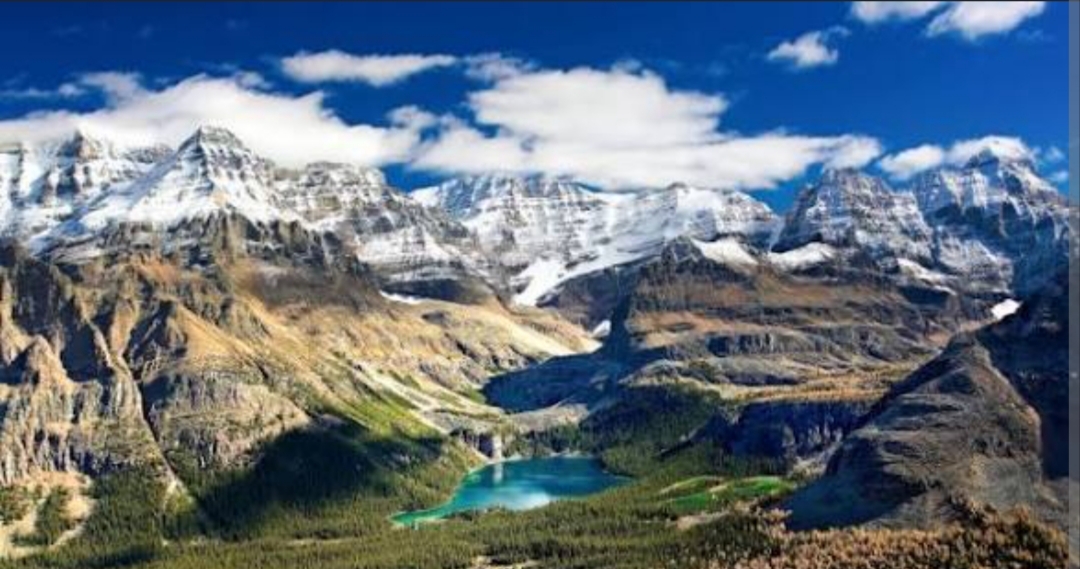
The United States features some of the most stunning natural landscapes found anywhere on the planet. Grand Canyon National Park, Yellowstone National Park, Yosemite National Park, Niagara Falls, and Alaska with its glaciers, wildlife, mountains create an unforgettable collection of destinations. These places showcase the raw power of nature through deep canyons, geothermal activity, granite cliffs, powerful waterfalls, and vast icy wilderness.
This article explores each location in detail, highlighting geological importance, visitor experiences, wildlife, and practical travel insights. The diverse environments offer opportunities for hiking, wildlife viewing, photography, and quiet reflection. Travelers often plan journeys that include multiple sites to fully appreciate the variety of American natural heritage. These wonders attract millions seeking connection with untouched beauty and ancient geological stories.
Grand Canyon National Park: Depth, Color, and Timeless Erosion
The Geological Wonder of Grand Canyon National Park
Grand Canyon National Park stands as a premier example of nature’s sculpting power. The canyon stretches 277 miles long, reaches 18 miles across at its widest point, and plunges more than one mile deep. The Colorado River slowly carved this massive feature over millions of years, revealing rock layers that span almost two billion years of Earth’s history. Different colored bands of limestone, sandstone, and shale create a visual spectacle that changes dramatically with sunlight.
Early morning and late afternoon provide the best lighting for viewing the shifting hues from deep crimson to soft gold. The South Rim offers year-round access with numerous overlooks, while the North Rim delivers a more secluded experience at higher elevation during its shorter open season.
Hiking Trails and Exploration in Grand Canyon National Park
Hiking in Grand Canyon National Park delivers an immersive experience. The Bright Angel Trail winds down from the rim through multiple ecosystems, allowing hikers to descend thousands of feet while observing changing vegetation. More ambitious adventurers tackle the Rim-to-Rim hike, crossing from one side to the other over one or two days with significant elevation changes.
Rafting the Colorado River presents another perspective, navigating rapids and camping on sandy beaches beneath towering walls. Mule rides suit those wanting guided descent without full hiking effort. Rangers offer educational talks about the canyon’s formation, helping visitors understand the forces of water, wind, and time at work.
Wildlife and Ecosystems Within Grand Canyon National Park
Grand Canyon National Park supports surprising biodiversity despite its desert setting. California condors glide on thermal currents high above the rims. Bighorn sheep navigate steep rocky slopes, while mule deer graze in forested areas near the rim. The river corridor creates a lush riparian zone with willow trees and diverse birdlife.
Visitors must follow safety guidelines, carrying plenty of water and staying on marked paths. The park’s clear skies also make it ideal for nighttime stargazing, revealing the Milky Way in all its glory far from city lights.
Yellowstone National Park: Geothermal Activity and Wildlife Abundance
Geothermal Features Defining Yellowstone National Park
Yellowstone National Park contains more geothermal features than anywhere else on Earth. Old Faithful geyser reliably erupts roughly every 90 minutes, shooting water and steam skyward in a spectacular display. The park’s Upper Geyser Basin features dozens of geysers, hot springs, and bubbling mud pots. Grand Prismatic Spring impresses with its vibrant rainbow colors caused by heat-tolerant bacteria living in the mineral-rich waters.
This activity stems from a massive underground volcanic system. The landscape includes colorful terraces, steaming vents, and occasional new formations as pressure builds and releases. Boardwalks allow safe close viewing while protecting delicate surfaces.
Wildlife Observation in Yellowstone National Park
Yellowstone National Park serves as a vital sanctuary for North American wildlife. Large bison herds move across open valleys, often blocking roads as they travel. Grizzly bears forage in meadows and near rivers, while gray wolves hunt in packs, particularly visible in areas like Lamar Valley. Elk, moose, pronghorn, and coyotes complete the rich mammal population.
Over 300 bird species inhabit the park, including majestic bald eagles and trumpeter swans. Rivers teem with trout, attracting anglers during permitted seasons. Spring and autumn bring excellent opportunities for photography as animals prepare for or emerge from winter.
Seasonal Visits and Conservation in Yellowstone National Park
Summer offers warm temperatures for extensive hiking and wildlife watching. Winter transforms the park into a snowy wonderland where thermal features create striking steam clouds against white landscapes. Cross-country skiing and snowshoeing become popular activities during colder months.
Conservation plays a central role in maintaining Yellowstone National Park. Strict rules protect thermal areas and wildlife from human interference. Education programs teach visitors about ecosystem balance and the importance of preserving this unique environment for future generations.
Yosemite National Park: Granite Cliffs and Cascading Waterfalls
Iconic Rock Formations of Yosemite National Park
Yosemite National Park showcases dramatic granite landscapes formed by ancient glaciers. El Capitan rises nearly 3,000 feet as a sheer vertical wall, drawing rock climbers for challenging ascents. Half Dome features its famous rounded profile and offers hikers a demanding trail to its summit with cable assistance during the main season.
The valley floor provides accessible meadows, oak woodlands, and the flowing Merced River. Ancient giant sequoia trees in groves like Mariposa stand as living giants, some measuring over 300 feet tall with massive girths that inspire deep respect for nature’s longevity.
Waterfalls and Hiking Adventures in Yosemite National Park
Waterfalls define much of the beauty in Yosemite National Park. Yosemite Falls ranks as one of the tallest in North America, plunging nearly 2,425 feet in multiple tiers. Spring runoff creates powerful flows and misty rainbows. Other notable falls include Bridalveil, Nevada, and Vernal, each accessible via scenic trails.
The Mist Trail takes hikers directly into the spray of Vernal Fall for an exhilarating experience. High country trails lead to alpine lakes and meadows above the valley, offering multi-day backpacking routes through varied terrain. Photography enthusiasts find endless subjects from reflective pools to towering cliffs at sunrise.
Biodiversity and Sustainable Tourism in Yosemite National Park
Black bears frequently appear in Yosemite National Park, requiring careful food storage practices. Mule deer, bobcats, and numerous rodents inhabit different elevation zones. The park supports rich plant diversity from valley oaks to high-elevation pines.
Visitor management focuses on reducing impact through shuttle systems and trail maintenance. Following Leave No Trace principles helps preserve the pristine quality that makes Yosemite National Park special. Shoulder seasons provide fewer crowds and unique seasonal beauty.
Niagara Falls: Thunderous Power and Border Beauty
Formation and Scale of Niagara Falls
Niagara Falls consists of three main sections: Horseshoe Falls, American Falls, and Bridal Veil Falls. The Niagara River, fed by the Great Lakes, creates immense water volume rushing over the brink. Continuous erosion slowly moves the falls upstream as softer rock layers wear away beneath harder caprock.
The combined power generates a constant roar and mist that creates frequent rainbows. Viewing areas on both the United States and Canadian sides offer complementary perspectives, with walkways, towers, and parks allowing different angles of appreciation.
Experiencing Niagara Falls Up Close
Boat excursions approach the base of the falls, where passengers feel the full force of cascading water and heavy spray. Helicopter flights reveal the broader gorge and surrounding landscape from above. Evening light shows illuminate the falls in changing colors, creating a magical nighttime atmosphere.
Nearby trails provide peaceful walks through gorge environments, offering chances to observe the power of water from multiple vantage points while learning about ongoing geological changes.
Ecological Importance Around Niagara Falls
The constant mist around Niagara Falls creates unique microclimates supporting specialized plants and bird species. The area blends natural beauty with historical significance as an early site for harnessing water power. Responsible visitation ensures this natural treasure remains protected while allowing public enjoyment.
Alaska — Glaciers, Wildlife, Mountains: Untamed Northern Wilderness
Glaciers and Mountain Landscapes in Alaska
Alaska presents vast glacial fields and towering mountain ranges. Tidewater glaciers calve massive ice chunks into the sea with thunderous sounds. National parks and preserves protect active glacial systems where visitors witness ongoing ice movement and dramatic landscapes.
Denali rises as the highest peak in North America, dominating the Alaska Range. Flight tours offer breathtaking aerial views of ice fields, deep crevasses, and remote valleys inaccessible by road. Summer brings endless daylight for extended exploration of these pristine environments.
Wildlife Diversity Across Alaska
Alaska supports abundant wildlife populations. Brown bears gather at salmon streams during spawning runs, creating incredible viewing opportunities. Polar bears patrol Arctic coasts, while moose and caribou roam interior tundra and forests. Marine environments host humpback whales, orcas, and sea otters.
Migratory birds arrive in massive numbers each summer, filling coastal areas with activity. The interconnected food webs demonstrate nature’s complex balance in extreme northern conditions.
Adventure Opportunities and Conservation in Alaska
Kayaking among icebergs, hiking remote trails, and observing northern lights represent signature Alaska experiences. The state’s enormous size requires thoughtful planning, often involving small aircraft for access to remote areas. Responsible tourism supports local communities while minimizing environmental impact.
Climate considerations remain important as changing conditions affect glaciers, sea ice, and wildlife habitats. Protecting these wild spaces ensures their survival for continued study and enjoyment.
Planning Your Journey Through These Natural Wonders
Combining visits to Grand Canyon National Park, Yellowstone National Park, Yosemite National Park, Niagara Falls, and Alaska — glaciers, wildlife, mountains creates a comprehensive American nature tour. Each destination requires specific preparation regarding weather, gear, and permits.
Road trips, guided tours, and independent travel all offer viable options depending on interests and time available. Spring and fall often provide pleasant conditions with reduced visitor numbers compared to peak summer. Winter visits suit those seeking solitude and unique seasonal perspectives, particularly in Yellowstone National Park and Alaska.
Educational programs at each location enhance understanding of geological processes and ecological relationships. Photography, journaling, and simple quiet observation help visitors fully absorb the majesty before them.
The Lasting Value of These Natural Treasures
Grand Canyon National Park, Yellowstone National Park, Yosemite National Park, Niagara Falls, and Alaska with its glaciers, wildlife, mountains represent more than tourist destinations. They serve as reminders of Earth’s dynamic history and the importance of conservation efforts.
These sites face ongoing challenges including climate shifts, visitor management, and habitat preservation. Supporting protected areas through ethical travel contributes to their long-term health. The memories formed while standing at the edge of vast canyons, watching geysers erupt, gazing at towering waterfalls, or cruising past ancient ice walls create lasting appreciation for natural heritage.
By experiencing these wonders, travelers develop deeper respect for the forces that shape our planet and the need to safeguard them. The call to explore remains powerful, inviting new generations to witness and protect America’s most magnificent natural landscapes.