
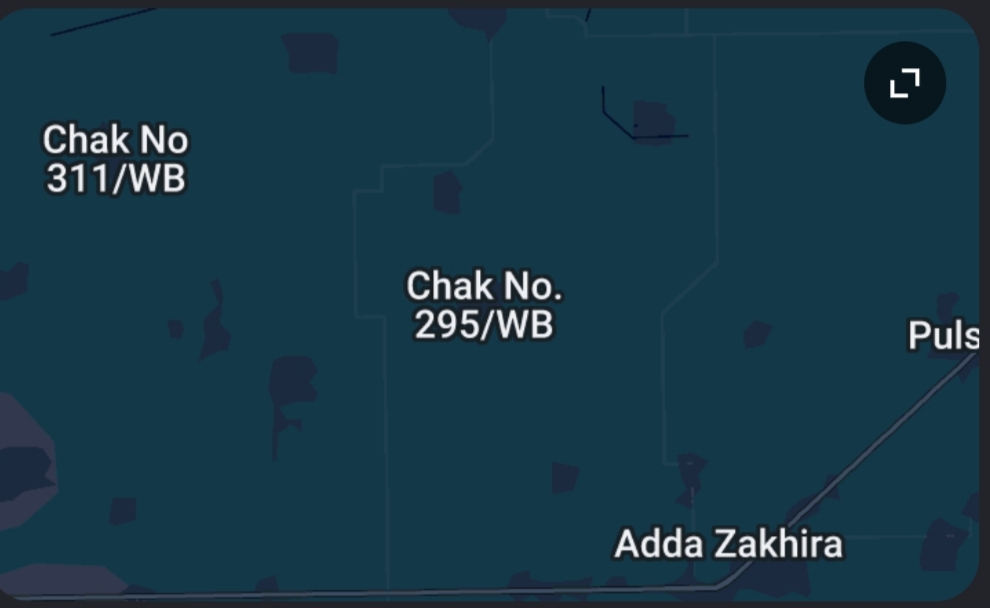
Chak No. 295/WB Dunyapur
Chak No. 295/WB is a serene and vibrant rural village located in Dunyapur Tehsil of Lodhran District, Punjab, Pakistan. Situated in the heart of the fertile plains of southern Punjab, this village exemplifies the traditional agrarian lifestyle that has sustained communities in the region for generations. With its lush green fields, extensive canal irrigation network, and close-knit community, Chak No. 295/WB represents the essence of Punjabi village life — hardworking, hospitable, and deeply connected to the land.
Location and Geographical Significance
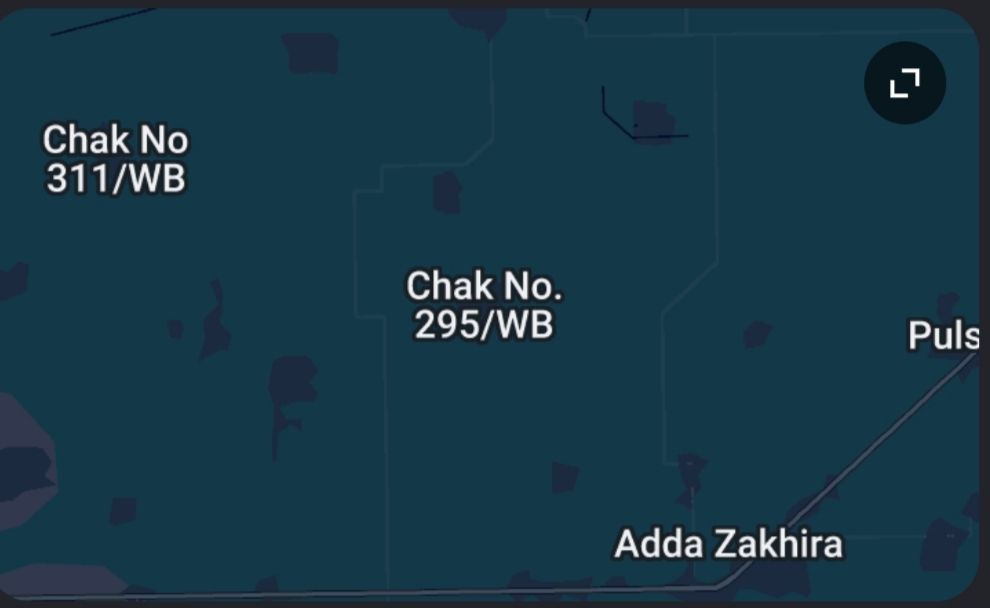
Chak No. 295/WB lies within the administrative boundaries of Dunyapur Tehsil, which is part of Lodhran District in the Multan Division. The village is strategically positioned in the Western Bar (WB) canal colony area, a region developed extensively during the British era for large-scale agriculture. It is surrounded by similar numbered settlements such as 297/WB, 299/WB, and others, forming a network of interconnected rural communities.
The geography of the area is characterized by flat alluvial plains enriched by the sediments of the Indus River system. The Lower Pakpattan Canal and its distributaries provide reliable irrigation, making the land highly productive. Summers are hot and dry, while winters bring pleasant weather, supporting multiple cropping seasons throughout the year.
Historical Background
Like many other “Chak” villages in Punjab, Chak No. 295/WB was established as part of the colonial canal irrigation projects in the late 19th and early 20th centuries. The numbering system (Chak numbers) was introduced to organize newly developed agricultural lands efficiently. Settlers from different parts of Punjab migrated here in search of fertile land and better livelihood opportunities. Over time, these families put down strong roots, developing a distinct local identity while preserving broader Punjabi cultural traditions.
The village has grown steadily from a small settlement of mud houses into a community with basic modern amenities, while retaining its agricultural character.
Demographics and Population
Chak No. 295/WB is home to a modest population primarily consisting of farming families. According to available records, the village had a population of approximately 2,722 people in earlier surveys. The community is composed of various kinship groups and castes that have lived together for decades, fostering strong social bonds and mutual support systems. Joint family structures remain common, where multiple generations reside together and share responsibilities.
Economy and Livelihoods
Agriculture is the mainstay of the economy in Chak No. 295/WB. The fertile soil and canal irrigation support the cultivation of major crops such as cotton, wheat, sugarcane, maize, and rice. Cotton has traditionally been a key cash crop, often referred to as “white gold” in the region, while wheat ensures food security for local households.
In addition to crop farming, livestock rearing is an important supplementary activity. Many families keep buffaloes, cows, goats, and poultry for milk, meat, and eggs. Small-scale kitchen gardening and fruit orchards also contribute to household income and nutrition. A significant number of residents also rely on remittances from family members working in larger cities or abroad.
Education and Social Infrastructure
The village has basic educational facilities, including government primary schools for boys and girls. These institutions play a vital role in providing foundational education to the younger generation. While higher education often requires students to travel to nearby towns like Dunyapur or Lodhran, there is growing awareness about the importance of schooling for both boys and girls.
Healthcare services are available at the basic level within the village, with more advanced medical facilities located in the tehsil headquarters. Mosques serve not only as places of worship but also as central points for community gatherings and social discussions.
Cultural and Social Life
The people of Chak No. 295/WB are known for their warmth, hospitality, and strong community spirit. Traditional values of respect for elders, mutual help, and collective celebration remain deeply ingrained. Festivals such as Eid-ul-Fitr, Eid-ul-Adha, and local harvest celebrations are observed with enthusiasm. Folk music, traditional sports like kabaddi, and storytelling sessions are common during social events.
The village lifestyle revolves around the agricultural calendar — sowing, irrigation, harvesting, and marketing of crops dictate the rhythm of daily life. Women actively participate in farm activities, particularly during cotton picking and vegetable harvesting, alongside managing household responsibilities.
Why Chak No. 295/WB Stands Out
What makes Chak No. 295/WB special is its perfect blend of tradition and gradual progress. While firmly rooted in agriculture, the village shows openness to new ideas, education, and sustainable practices. Its peaceful environment, surrounded by green fields and flowing canals, offers a refreshing contrast to the fast-paced urban life. Many visitors, including students on educational trips, find the village an excellent place to learn about rural Pakistan, traditional farming methods, and community living.
A Glimpse into the Future
As Pakistan moves toward agricultural modernization, Chak No. 295/WB faces both opportunities and challenges. Issues such as water management, climate change effects, market access, and youth migration need thoughtful solutions. At the same time, the village holds strong potential for adopting better farming techniques, renewable energy, skill development programs, and even agro-tourism.
In summary, Chak No. 295/WB Dunyapur is more than just a numbered settlement on the map. It is a living, breathing community where the soil, water, and people work in harmony. Its simplicity, resilience, and rich cultural heritage make it a true representative of rural Punjab. For anyone interested in understanding the soul of Pakistan’s countryside, Chak No. 295/WB offers an authentic and enriching experience.