

A Complete 15-Day India Travel Guide: Itinerary, Tips, and Experiences
India offers an extraordinary mix of history, culture, spirituality, landscapes, and flavors that few destinations can match. A 15-day journey allows enough time to move beyond surface-level sightseeing and experience the country’s depth without feeling rushed. This itinerary focuses on the classic northern circuit that combines imperial cities, desert forts, lake palaces, and sacred riverfronts while remaining practical for first-time and returning visitors alike.
The route covers Delhi, Agra, Jaipur, Udaipur, and Varanasi. These places form a well-connected loop that balances iconic monuments with everyday life, markets, food, and quiet moments. The plan includes time for rest, local transport, and flexible exploration so the trip feels immersive rather than checklist-driven.
Why 15 Days Works Well for India

Two weeks is long enough to settle into the rhythm of Indian travel—early mornings at monuments, leisurely lunches, afternoon rests during peak heat, and evenings spent in bazaars or by the water. Shorter trips often force travelers to skip either the desert cities of Rajasthan or the spiritual intensity of the Ganges. Fifteen days makes both possible while still leaving room for spontaneous discoveries.
India rewards slow travel. The best memories often come from conversations with shopkeepers, sharing tea at a roadside stall, watching evening rituals along the river, or simply observing life from a café balcony. Building buffer time into each segment reduces stress caused by traffic, train delays, or simply wanting to linger longer at a particularly beautiful spot.
Best Time to Visit
The ideal window for this northern itinerary is from October to March. Days are generally pleasant, humidity is lower, and evenings can turn cool enough for a light jacket, especially in desert cities and near the river in Varanasi. November through February offers the most comfortable temperatures for outdoor exploration and photography.
April and May bring intense heat, particularly in Delhi, Agra, and Jaipur, making long days of sightseeing exhausting. The monsoon months (June to September) transform the landscape with greenery and fewer crowds, yet heavy rain can disrupt travel plans and make some outdoor sites less enjoyable. Shoulder months of October and late March often strike a good balance between weather and visitor numbers.
Preparing for Your 15-Day Journey
Visa and entry requirements
Most nationalities need an e-visa or regular visa arranged in advance. Apply online well before departure and keep printed and digital copies of the approval. Ensure your passport has at least six months of validity remaining and blank pages for stamps.
Health and practicalities
Consult a travel clinic several weeks ahead for recommended vaccinations and advice on preventive medication. Carry a basic first-aid kit, oral rehydration salts, and any personal prescriptions. Drink only bottled or properly filtered water. Street food is part of the experience, but start slowly and choose busy stalls with high turnover. Hand sanitizer and wet wipes prove useful throughout the trip.
Packing essentials
Lightweight, modest clothing that covers shoulders and knees is respectful at religious sites and practical in varied climates. Comfortable walking shoes are essential. A light scarf or shawl serves multiple purposes—covering the head at temples, protecting against dust, or providing warmth in air-conditioned spaces. Sunscreen, a hat, and sunglasses are daily necessities. A reusable water bottle with a filter or purification tablets reduces plastic waste and keeps you hydrated. Power banks, universal adapters, and a small daypack complete the practical list.
Money and connectivity
Carry a mix of cash and cards. ATMs are widely available in cities, though smaller towns may have limited options. Inform your bank of travel dates. Local SIM cards or eSIMs provide reliable data for maps and communication. Keep small denomination notes ready for tips, rickshaws, and market purchases.
Transport within India
Domestic flights, trains, and private cars form the backbone of this itinerary. Overnight trains save daytime and offer a classic experience. Book train tickets in advance during peak season. For shorter distances, pre-arranged cars with drivers provide flexibility and comfort. Always confirm pickup times and keep contact details of your accommodation.
Suggested 15-Day India Itinerary
Days 1–3: Delhi – The Layered Capital
Arrive and use the first afternoon for gentle orientation. Old Delhi reveals the city’s Mughal past through narrow lanes, spice markets, and the grand Friday mosque. A cycle rickshaw ride through the congested bazaar gives an immediate sense of energy and commerce. The Red Fort complex offers history and scale, while nearby streets reward those who wander with street snacks and people-watching.
New Delhi presents a different face—broad tree-lined avenues, colonial-era architecture, and carefully planned parks. Spend time at the India Gate area, the serene garden tombs of past emperors, and the modern temples that attract both devotees and visitors. The National Museum or a crafts museum provides context for the art and history you will encounter later in the trip.
One evening, attend a sound-and-light show at a historic fort or simply stroll a lively market street. Delhi’s food scene is vast: try simple vegetarian thalis, fresh breads from clay ovens, and seasonal sweets. Rest is important after long flights and the sensory intensity of the capital.
Days 4–5: Agra – Monument and Memory
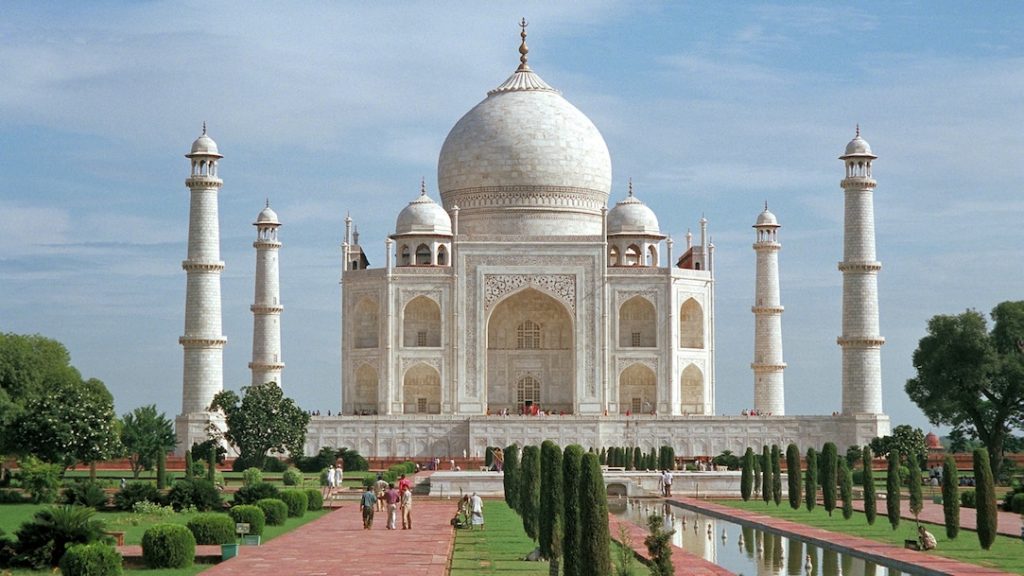
Travel to Agra by early morning train or car. The journey itself offers views of rural northern India. Upon arrival, head to the most famous marble mausoleum at sunrise or late afternoon when the light is soft and crowds thinner. Walk the gardens, study the intricate inlay work, and take time to sit and absorb the scale and symmetry.
The red sandstone fort nearby reveals the military and residential side of Mughal power. From its walls you can see the white mausoleum in the distance—a view that many emperors once contemplated. Across the river, another unfinished tomb complex offers quieter exploration and excellent perspectives for photography.
Spend one evening at a rooftop café watching the monument change color as the sun sets. Agra also has interesting local markets selling marble inlay crafts, leather goods, and sweets. Avoid aggressive sales pitches by moving with purpose and comparing prices calmly.
Days 6–8: Jaipur – Color, Craft, and Forts
Continue to the Pink City. The old walled city is a living museum of painted façades, bustling bazaars, and royal architecture. Begin with the hilltop fort complex that overlooks the city. The climb or jeep ride rewards you with panoramic views and successive courtyards filled with frescoes and mirror work.
Back in the city, the palace complex in the center displays royal artifacts, weapons, and textiles. Nearby, the astronomical observatory with its massive stone instruments demonstrates advanced scientific knowledge from centuries past. Wander the surrounding lanes for block-printed fabrics, jewelry, and blue pottery.
A half-day excursion to a nearby abandoned fort city offers atmospheric ruins and a sense of how these desert kingdoms once functioned. Evenings in Jaipur are ideal for rooftop dinners with views of illuminated buildings or for watching traditional dance performances in heritage courtyards. The city’s energy is high, so balance busy sightseeing days with quieter moments in gardens or cafés.
Days 9–11: Udaipur – Lakes and Quiet Grandeur
Travel southwest into the lake district of southern Rajasthan. Udaipur feels more relaxed after the intensity of the earlier cities. The city palace complex stretches along the lake shore and rewards slow exploration of its successive courtyards, mirror rooms, and painted chambers. From the upper terraces the views across the water to island palaces are unforgettable.
Boat rides on the lake at sunset provide a different perspective and a sense of calm. Smaller museums and craft workshops around the old city show the region’s artistic traditions. Day trips to nearby rural villages or a second palace complex set among hills add variety without long travel.
Udaipur’s food leans toward milder flavors and creative vegetarian dishes. Evenings spent on a lakeside terrace or exploring the narrow lanes of the old town often become highlights of the entire journey. The slower pace here is intentional—use it to rest and reflect before the final intense segment.
Days 12–14: Varanasi – The Sacred River
Fly or take an overnight train to the spiritual heart of India. Varanasi operates on a different rhythm. Dawn boat rides along the river reveal the stepped embankments, morning bathers, and the first light illuminating ancient temples. The experience is powerful and often emotional.
Walk the lanes behind the main embankments to discover smaller temples, silk weavers, and everyday life. Attend an evening prayer ceremony where oil lamps are floated on the water and chants fill the air. The intensity of faith on display can be overwhelming; allow yourself to observe without pressure to participate.
A day trip to the nearby Buddhist sites associated with the Buddha’s first sermon provides a contrasting calm and historical depth. In the city itself, sample the unique street food culture—especially the fried breads and yogurt drinks that are local specialties. Evenings spent simply sitting by the river watching life unfold often prove more memorable than any structured activity.
Day 15: Departure and Reflection
Return to Delhi or another major gateway city depending on your international flight. Use the final hours for last-minute shopping of lightweight crafts or simply resting at your accommodation. Many travelers find that the cumulative effect of the previous two weeks settles during this quieter final day.
Practical Tips for a Smooth Journey
Pace and flexibility
Build rest into every segment. Monument fatigue is real. Alternate intense sightseeing mornings with quieter afternoons. Keep one free half-day in each major stop for spontaneous discoveries or simply doing nothing.
Cultural awareness
Dress modestly at religious sites. Remove shoes when required. Ask permission before photographing people, especially during private rituals. Learn a few basic phrases of greeting and thanks—they open doors and create goodwill.
Food and water
Start with cooked, hot food. Peel your own fruit. Bottled water or purification methods are non-negotiable. Street food is safest at busy stalls where ingredients turn over quickly. Carry digestive aids and stay hydrated.
Photography and etiquette
Sunrise and late afternoon light transform monuments and landscapes. Respect signs prohibiting photography inside certain temple areas. A polarizing filter helps with bright skies and reflective water surfaces.
Budget considerations
Costs vary widely depending on transport choices and accommodation standards. Private cars and mid-range heritage properties raise the daily average, while trains and simpler guesthouses keep expenses lower. Factor in entrance fees, tips, and shopping. A realistic mid-range daily budget covers comfortable transport, good meals, and guided experiences without luxury excess.
Sustainability and respect
Choose accommodations and operators that treat staff fairly and manage waste responsibly. Avoid single-use plastics where possible. Support local artisans by buying directly when quality and price feel fair. Leave no trace at natural and historic sites.
What You Will Take Home
A well-paced 15-day journey through northern India leaves lasting impressions: the geometric perfection of marble architecture at dawn, the pink glow of a desert city’s walls at sunset, the quiet dignity of lake reflections, and the profound humanity of river rituals. You will remember the taste of fresh bread pulled from a clay oven, the scent of incense mixed with river air, and the unexpected kindness of strangers who helped with directions or shared tea.
India does not reveal itself all at once. Fifteen days provide a solid introduction—enough to understand the scale of its history and the intensity of its present, while leaving you with the clear desire to return. The itinerary outlined here is a framework, not a rigid script. Adjust according to your interests, energy levels, and the season. The real journey begins the moment you step into the first crowded street and realize that every corner holds another story waiting to unfold.