
Global Warming in Pakistan
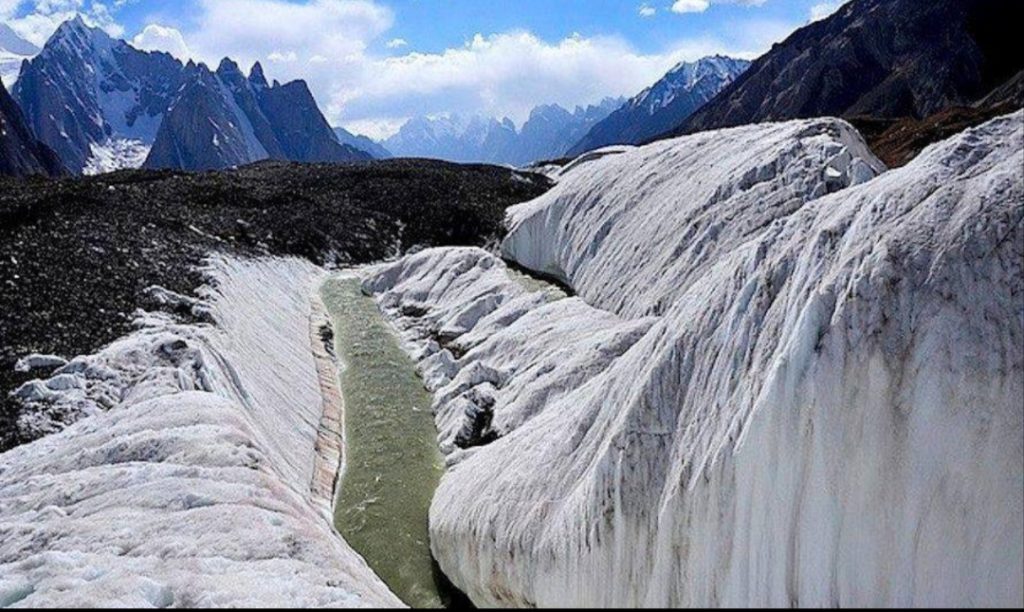
Global warming is one of the greatest environmental challenges facing the world today. It refers to the long-term increase in the average temperature of the Earth, mainly because of the increasing concentration of greenhouse gases in the atmosphere. These gases are produced largely through activities such as burning fossil fuels, deforestation, industrial processes, and certain agricultural practices.
Pakistan is particularly vulnerable to the effects of global warming. Although Pakistan contributes a relatively small share of global greenhouse-gas emissions, it faces serious consequences from rising temperatures and changing weather patterns. Pakistan’s average annual temperature has increased by about 1.2°C since pre-industrial times, according to a 2025 assessment cited by the International Monetary Fund.
The effects can be seen in increasing heatwaves, floods, droughts, changing rainfall patterns, glacier melting, water stress, and threats to agriculture and coastal areas.
Meaning of Global Warming
Global warming means the gradual rise in the Earth’s average surface temperature. The main cause is the accumulation of greenhouse gases such as carbon dioxide and methane.
These gases trap heat in the atmosphere. Human activities have significantly increased their concentration, resulting in changes to the global climate.
Global warming is closely connected with climate change. Climate change includes wider changes in rainfall, temperature, storms, droughts, sea levels, and other weather and environmental conditions.
Global Warming and Pakistan
A Highly Vulnerable Country
Pakistan is highly exposed to climate-related hazards. The country has mountains, glaciers, rivers, agricultural plains, deserts, and a long coastline, making it vulnerable to several different climate risks.
The World Bank has described Pakistan as among the countries most affected by extreme weather and climate change.
The country’s vulnerability is particularly concerning because many people depend directly on agriculture, water resources, and natural ecosystems.
Rising Temperatures
Increasing Heat
One of the clearest effects of global warming in Pakistan is increasing heat.
Hot weather can become dangerous when temperatures remain extremely high for long periods. Heatwaves can cause dehydration, heat exhaustion, and other health problems, particularly among children, older people, outdoor workers, and vulnerable communities.
Climate projections indicate that Pakistan is likely to experience further warming, with the number of very hot days expected to increase significantly under higher-emission scenarios.
Heatwaves in Cities
Urban areas can experience particularly severe heat because buildings, roads, vehicles, and limited vegetation can contribute to higher temperatures.
Cities need better planning, green spaces, shade, water access, heat-warning systems, and public awareness to protect residents.
Effects on Water Resources
Glacier Melting
Northern Pakistan contains thousands of glaciers that are important sources of water.
Rising temperatures are accelerating glacier retreat. In the short term, increased melting can contribute to higher river flows and flood risks, while long-term loss of glacier ice can threaten water availability.
Glacial Lake Outburst Floods
Glacier melting can contribute to the formation and expansion of glacial lakes. If the natural barriers holding these lakes fail, large amounts of water can suddenly move downstream.
These events are known as glacial lake outburst floods, or GLOFs.
They can threaten villages, roads, bridges, agricultural land, and other infrastructure in mountainous areas.
Floods in Pakistan
Heavy Rainfall
Global warming can contribute to changes in rainfall patterns and increase the risk of extreme precipitation events.
Pakistan has experienced devastating floods in recent years. The 2022 floods affected about 33 million people and caused estimated damages exceeding $14.9 billion and economic losses of around $15.2 billion.
The 2026 World Bank assessment also noted that severe monsoon floods in 2025 caused multibillion-dollar damages and widespread displacement.
Damage to Communities
Floods can destroy houses, roads, bridges, schools, hospitals, crops, livestock, and businesses.
Poor and vulnerable communities often suffer the greatest losses because they have fewer resources to recover.
Effects on Agriculture
Agriculture is highly dependent on temperature, rainfall, and water availability. Global warming can therefore have serious consequences for Pakistan’s farmers.
Changing Crop Production
Higher temperatures can affect crop growth and productivity. Changes in rainfall can also make planting and harvesting more difficult.
Extreme heat, floods, and droughts can destroy crops and reduce agricultural income.
Food Security
When agricultural production falls, food supplies can become more uncertain and prices can increase.
Climate-resilient farming methods, efficient irrigation, improved crop varieties, and better weather information can help farmers adapt.
Effects on Water Scarcity
Pakistan already faces pressure on its water resources. Global warming can make this situation more difficult.
Higher temperatures increase evaporation, while changing rainfall and glacier patterns can make river flows less predictable.
The World Bank’s climate assessment warns that warming can reduce water availability and increase the severity of droughts.
Water conservation is therefore essential for Pakistan’s future.
Effects on Human Health
Heat-Related Illnesses
Extreme heat can increase health risks. People who work outdoors, particularly farmers and construction workers, can be exposed to dangerous temperatures for long periods.
Heatwaves can also place additional pressure on hospitals and healthcare services.
Water and Disease
Floods can contaminate drinking-water supplies and damage sanitation systems. This can increase the risk of waterborne diseases.
Improving clean-water infrastructure, sanitation, public-health awareness, and emergency preparedness can reduce these risks.
Effects on Coastal Areas
Pakistan has a long coastline, including the coastal areas of Sindh and Balochistan.
Rising sea levels can threaten coastal settlements, infrastructure, agriculture, and freshwater resources. The World Bank has identified sea-level rise, coastal erosion, storm surges, and flooding as important risks for Pakistan.
Coastal planning and protection are therefore important parts of climate adaptation.
Effects on Forests and Wildlife
Global warming can affect forests, mountains, wetlands, rivers, and other ecosystems.
Changes in temperature and rainfall can alter habitats and place pressure on wildlife.
Protecting forests and restoring degraded land can help preserve biodiversity while also improving the ability of ecosystems to absorb carbon dioxide.
Effects on the Economy
Damage to Infrastructure
Climate-related disasters can destroy roads, bridges, buildings, electricity systems, agricultural infrastructure, and communication networks.
Rebuilding these structures requires large amounts of money.
Impact on Poverty
Poor communities are often more vulnerable because they have fewer savings, limited access to insurance, and fewer resources for rebuilding after disasters.
Climate change can therefore slow poverty reduction and reverse development gains. UNDP identifies climate change as a major development challenge for Pakistan, particularly for vulnerable communities.
Global Warming and Energy
Pakistan’s energy system is also connected with climate change.
Burning fossil fuels produces greenhouse-gas emissions. Increasing the use of cleaner energy sources and improving energy efficiency can help reduce emissions.
Renewable Energy
Pakistan has opportunities to develop solar, wind, hydropower, and other renewable energy resources.
Renewable energy can help reduce dependence on fossil fuels while supporting energy security and environmental protection.
Role of Trees and Forests
Planting Trees
Trees absorb carbon dioxide and provide shade, help protect soil, and support biodiversity.
Tree planting and forest restoration can therefore contribute to climate mitigation and adaptation.
Protecting Existing Forests
Planting new trees is important, but protecting existing forests is equally valuable.
Deforestation should be reduced, and communities should be encouraged to participate in sustainable forest management.
Climate Change and Education
Education is essential for addressing global warming.
Students should learn about:
- Climate change
- Energy conservation
- Water conservation
- Recycling
- Pollution
- Forest protection
- Sustainable agriculture
- Disaster preparedness
Educated citizens can make better decisions and encourage others to protect the environment.
Role of Government
The government has an important responsibility in preparing Pakistan for climate change.
Important actions include:
- Developing climate-resilient infrastructure.
- Improving flood-warning systems.
- Protecting forests.
- Expanding renewable energy.
- Improving water management.
- Supporting climate-resilient agriculture.
- Strengthening disaster preparedness.
- Protecting vulnerable communities.
- Improving urban planning.
- Reducing greenhouse-gas emissions.
Pakistan’s National Adaptation Plan and climate policies are intended to strengthen the country’s ability to respond to climate risks. The 2026 World Bank assessment reported continued work on monitoring and implementing the National Adaptation Plan.
Role of Citizens
Ordinary citizens can also contribute to addressing global warming.
People can:
- Plant and protect trees.
- Save electricity.
- Reduce unnecessary fuel consumption.
- Use water carefully.
- Avoid unnecessary waste.
- Reuse and recycle materials.
- Keep streets and waterways clean.
- Use public transportation where practical.
- Educate others about climate protection.
Individual actions may appear small, but millions of responsible citizens can make a significant difference.
Climate Change and Young People
Young people will live with the consequences of today’s environmental decisions. They can play an important role in protecting Pakistan’s future.
Students can participate in tree-planting activities, environmental clubs, clean-up campaigns, water-conservation programs, and educational projects.
Young people can also use digital communication responsibly to spread awareness about climate change.
Pakistan’s Need for Adaptation
Building Climate-Resilient Communities
Pakistan cannot prevent global warming alone. It must also prepare for climate impacts that are already occurring.
Communities need better flood protection, early-warning systems, drought planning, heatwave preparedness, water conservation, and climate-resilient infrastructure.
Projects in northern Pakistan are already focusing on early-warning systems and community preparedness against glacial lake outburst floods.
Disaster Preparedness
Early warnings can save lives. People need to know what to do before floods, heatwaves, storms, or other extreme events occur.
Local governments and communities should regularly prepare emergency plans.
Pakistan’s Contribution to Climate Action
Pakistan’s greenhouse-gas emissions are relatively small compared with those of the world’s largest emitters, yet the country faces substantial climate risks. The IMF’s 2025 assessment highlighted this imbalance.
Pakistan has therefore emphasized both climate adaptation and efforts to reduce emissions.
According to UNDP, Pakistan’s third Nationally Determined Contribution, submitted in September 2025, includes an economy-wide greenhouse-gas reduction target of 50% by 2035 compared with business as usual.
Importance of International Cooperation
Global warming is a worldwide problem. No single country can solve it alone.
Developed countries, developing countries, international organizations, scientists, businesses, and communities need to cooperate.
Financial and technical support can help vulnerable countries such as Pakistan improve climate resilience, protect communities, and transition toward cleaner development.
Conclusion
Global warming is a serious challenge for Pakistan. Rising temperatures, heatwaves, floods, droughts, glacier melting, water shortages, changing rainfall patterns, coastal risks, and damage to agriculture can affect millions of people.
Pakistan’s vulnerability makes climate adaptation extremely important. At the same time, the country can contribute to global climate action by improving energy efficiency, expanding renewable energy, protecting forests, reducing pollution, and developing sustainable infrastructure.
The responsibility belongs to everyone. Governments must develop effective policies, communities must prepare for climate risks, and citizens must use natural resources responsibly.