
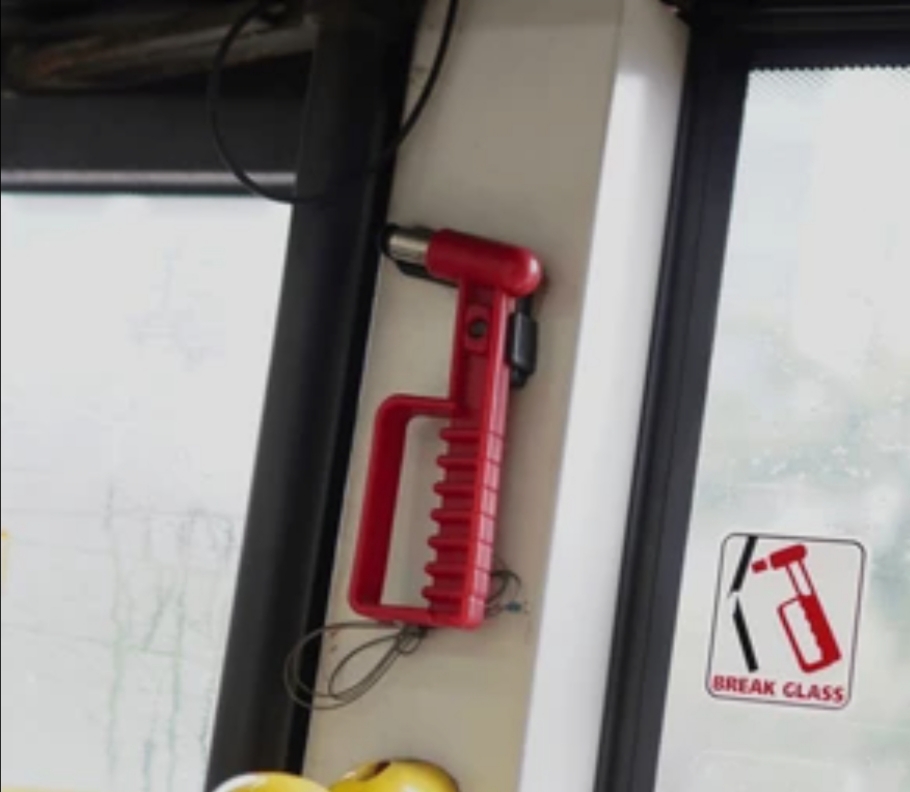
The Use of Emergency Hammers in Buses
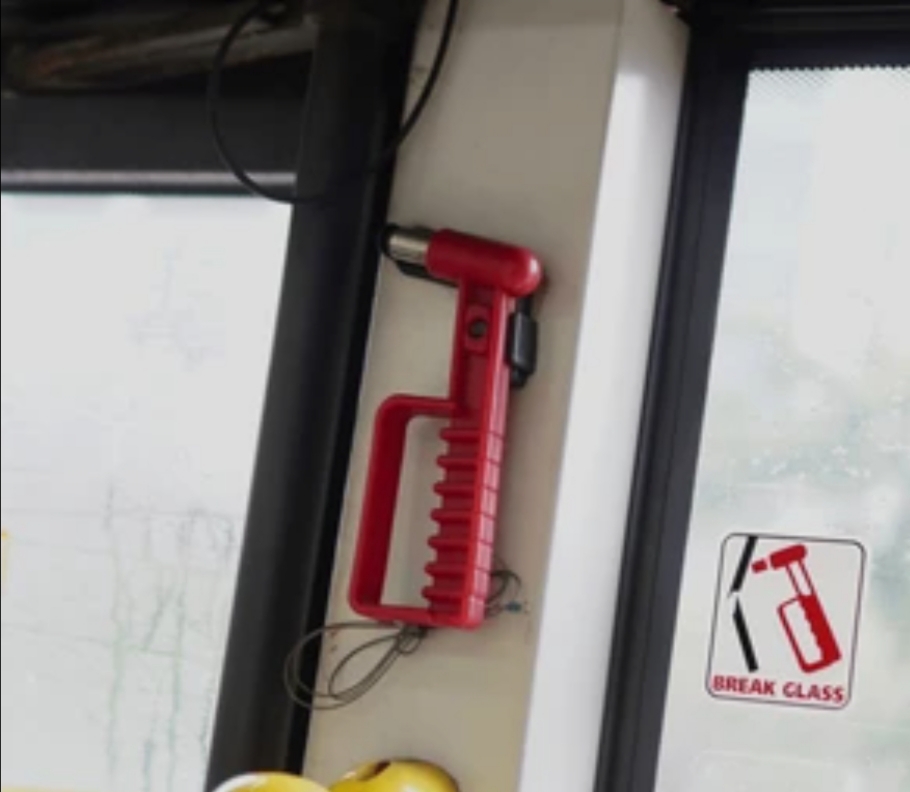
Emergency hammers serve as critical safety tools in public transportation, particularly in buses where large groups of passengers rely on quick escape options during unforeseen incidents. These compact devices, often mounted near windows, provide a reliable means to break tempered glass when standard exits become inaccessible. Their presence reflects decades of evolving vehicle safety standards aimed at minimizing risks in high-occupancy scenarios.
Buses encounter unique challenges compared to private vehicles. With dozens or even hundreds of passengers on board, jammed doors from collisions, fires, or submersion can turn a manageable situation into a life-threatening one. Emergency hammers address this by enabling rapid creation of additional exit points through side windows. Understanding their role helps passengers and operators prioritize safety awareness.
What Are Emergency Hammers?
Emergency hammers, sometimes referred to as safety mallets or glass breakers, are specialized hand tools designed specifically for shattering vehicle windows in crisis situations. Unlike ordinary hammers, these feature a pointed metal tip engineered to concentrate force into a tiny area, effectively initiating cracks in tempered glass that then propagate across the entire pane.
The typical design includes a sturdy handle, often brightly colored for visibility, and a dual-function head. One end provides the sharp point for glass breaking, while the other may incorporate a seatbelt cutter with a recessed blade to safely slice through restraints without causing injury. This multi-purpose nature makes the tool versatile for various entrapment scenarios.
Construction and Materials
Manufacturers construct emergency hammers from durable materials capable of withstanding impact without deforming. The pointed tip usually consists of hardened steel or similar alloys chosen for their ability to penetrate the outer surface of tempered glass. The handle provides a secure grip even under stress, with ergonomic shaping to accommodate different hand sizes, including those of children or elderly passengers.
Many models include protective covers or mounting brackets that secure the tool firmly in place during normal travel yet allow quick release in emergencies. Visibility remains a key factor; red or bright orange coloring ensures passengers can locate the device amid smoke, panic, or low light conditions.
How They Differ from Other Escape Tools
While spring-loaded center punch tools offer an alternative for glass breaking, emergency hammers provide a more straightforward mechanical action that requires no complex mechanisms. Spring-loaded variants deliver a concentrated strike via internal tension but may prove less reliable underwater or in certain orientations. Hammers, by contrast, rely on user-applied swinging force, which can prove advantageous in varied emergency conditions.
Other bus safety equipment, such as fire extinguishers or roof hatches, complements rather than replaces these hammers. Each tool addresses specific threats—extinguishers combat flames, while hammers facilitate physical egress when doors fail.
Why Buses Need Emergency Hammers
Public buses operate in diverse environments, from crowded urban routes to long-distance highways. Accidents, though statistically rare relative to passenger miles traveled, can involve rollovers, fires, or water ingress that block primary exits. In such cases, windows become vital secondary escape routes.
Tempered glass used in bus side windows shatters into small, relatively blunt pieces when properly impacted, reducing laceration risks compared to ordinary glass. However, without the right tool, breaking it manually remains nearly impossible due to its strength. Emergency hammers solve this by focusing kinetic energy precisely where the glass is most vulnerable—typically at the corners or edges.
Common Emergency Scenarios
Several situations highlight the necessity of these tools:
- Vehicle Rollovers: When a bus lands on its side or roof, doors may jam under structural deformation. Passengers trapped inside need immediate alternatives.
- Fires: Smoke and flames can render front and rear doors unusable. Breaking windows allows rapid ventilation and evacuation.
- Submersion: Though less common, incidents involving water require swift action before the bus fills. Hammers enable escape before pressure differences make opening windows impossible.
- Door Malfunctions: Mechanical failures or obstructions from external debris can trap occupants.
Historical bus incidents, including those involving school transports or intercity coaches, underscore how delayed egress contributes to higher casualty rates. Quick access to breaking tools can dramatically improve survival odds by enabling self-rescue or assisted evacuation.
Statistical Context of Bus Safety
Bus travel remains one of the safer modes of transportation overall, with low fatality rates per million vehicle miles. Yet when crashes occur, the high occupancy amplifies consequences. Injury crashes involving buses number in the thousands annually in various regions, emphasizing the value of layered safety measures like emergency hammers.
Regulations worldwide mandate such equipment precisely because prevention alone cannot eliminate all risks. These tools form part of a broader safety ecosystem that includes reinforced structures, compartmentalization in school buses, and operator training.
Placement and Accessibility of Emergency Hammers
Proper placement ensures every passenger can reach a hammer when needed. Operators typically mount them adjacent to designated emergency windows, often on pillars or walls near the glass. Clear labeling with pictograms and instructions accompanies each unit, following international safety signage standards.
In larger coaches, multiple hammers distribute throughout the vehicle so no single point becomes a bottleneck during panic. Accessibility considerations include mounting heights suitable for adults, children, and individuals with mobility challenges. Some designs incorporate quick-release mechanisms that require minimal strength to deploy.
Visibility and Training Integration
Bright colors and reflective elements enhance location speed, especially in low-visibility conditions like nighttime or smoke-filled interiors. Drivers and crew receive training on pointing out these locations during pre-trip briefings or safety announcements.
Passengers benefit from simple, consistent messaging: “In an emergency, look for the red hammer near the windows.” Regular reminders through onboard signage or announcements reinforce this knowledge.
Step-by-Step Guide: How to Use an Emergency Hammer
Knowing the correct technique maximizes effectiveness and minimizes injury. Follow these steps calmly during an actual emergency:
- Stay Calm and Assess: Panic reduces coordination. Take a deep breath and locate the nearest hammer and emergency window.
- Retrieve the Tool: Firmly grasp the handle and pull it from its mounting bracket. Ensure a solid grip.
- Target the Weak Points: Aim for the corners of the window, not the center. The corners and edges represent the most vulnerable areas of tempered glass. Strike sharply with the pointed end.
- Apply Force Effectively: Use a strong, deliberate swing rather than tentative taps. One well-placed strike often suffices to initiate shattering across the pane.
- Clear the Opening: Once cracked, use the hammer or foot to push out remaining glass fragments. Tempered glass breaks into small pieces, but protective footwear or clothing helps.
- Assist Others: Help vulnerable passengers—children, elderly, or injured—exit safely. Direct flow to avoid congestion.
- Evacuate to Safety: Move away from the vehicle to a safe distance, especially if fire or traffic hazards persist.
Common Mistakes to Avoid
- Striking the middle of the window: This area resists breaking most strongly.
- Using insufficient force: Hesitant hits fail to penetrate the surface layer.
- Ignoring seatbelts: Use the cutter function first if restraints prevent movement.
- Panicking and swinging wildly: Controlled strikes prove far more effective.
Practice through mental rehearsal or observed demonstrations builds confidence without risking damage during normal operations.
The Science Behind Breaking Tempered Glass
Tempered glass undergoes a special heat treatment process that creates internal stresses. The outer surfaces compress while the core remains in tension. When a sharp point disrupts the compressed layer at a vulnerable spot, the stored energy releases rapidly, causing the entire pane to fragment into small, pebble-like pieces.
This “dicing” effect makes tempered glass safer for vehicles because large shards rarely form. The emergency hammer’s pointed tip excels at initiating this process by concentrating hundreds of pounds of force per square inch into a pinpoint area. Physics explains why corners work best: edges experience different stress distributions during manufacturing, making them easier to compromise.
Tests by safety organizations confirm that properly applied hammers reliably shatter standard bus window glass, though results vary with glass thickness or additional laminates in some modern designs.
Regulations and Standards for Emergency Tools in Buses
Transportation authorities worldwide require buses to carry emergency egress equipment. Standards specify the number, placement, and functionality of hammers alongside other exits like rear doors, roof hatches, and push-out windows.
In many jurisdictions, emergency windows must open via simple release mechanisms without relying solely on breaking tools. However, hammers serve as backup when mechanical systems fail due to damage. Regulations often prohibit counting a hammer-dependent window as a primary emergency exit because availability cannot be guaranteed if the tool goes missing.
Maintenance requirements include regular inspections to ensure hammers remain securely mounted, undamaged, and accessible. Operators must replace missing or defective units promptly. Some regions incorporate anti-theft measures, though these must not impede emergency access.
International guidelines emphasize clear markings compliant with ISO safety symbols, ensuring universal understanding regardless of language.
Maintenance and Inspection of Emergency Hammers
Routine checks keep these tools reliable. Bus operators should:
- Verify secure mounting and easy release.
- Inspect for damage to the tip or handle.
- Ensure the seatbelt cutter remains sharp and protected.
- Confirm visibility of instructional labels.
- Replace units showing wear or after any use.
Drivers perform pre-trip inspections as part of standard protocols. Workshops conduct deeper examinations during scheduled maintenance, testing functionality where appropriate.
Passengers noticing damaged or missing hammers should report them immediately to crew members. Collective vigilance maintains fleet safety standards.
Challenges in Maintenance
Theft or tampering occasionally occurs due to the tools’ utility outside vehicles. Operators counter this through secure mounting, inventory tracking, and awareness campaigns. Environmental factors like vibration, temperature extremes, and humidity also affect long-term durability, necessitating robust designs.
Training Passengers and Operators
Effective safety extends beyond equipment to education. Bus companies integrate emergency hammer demonstrations into driver training and passenger safety videos. School bus programs particularly emphasize age-appropriate instruction for children.
Operators learn to conduct calm, orderly evacuations while directing use of hammers when necessary. Passengers benefit from simple instructions: location awareness, correct striking technique, and post-evacuation procedures.
Public awareness campaigns, signage, and periodic reminders enhance preparedness. In high-risk routes or regions with history of incidents, more frequent briefings prove beneficial.
Role of Technology in Future Training
Simulators and virtual reality increasingly allow safe practice of evacuation scenarios, including hammer use. These tools build muscle memory and decision-making skills without real-world risks.
Real-World Examples and Case Studies
Numerous incidents demonstrate the value of emergency hammers. In rollover crashes where buses landed on their sides, passengers used nearby tools to create exits and evacuate before secondary hazards worsened. Fire events on highways have seen quick window breaking prevent smoke inhalation tragedies.
While specific statistics on hammer usage remain limited due to underreporting of minor incidents, safety experts note that prepared passengers using available tools significantly improve outcomes. Lessons from past events drive continuous improvements in design, placement, and training.
One recurring theme involves the importance of familiarity: those who paid attention to safety briefings or signage acted more decisively than others.
Limitations and Complementary Safety Measures
Emergency hammers, while essential, have limitations. They work best on tempered glass and may prove less effective against certain laminated or advanced glazing in newer vehicles. Underwater use requires technique adjustments, as swinging becomes difficult.
These tools complement—not replace—other safety features:
- Multiple Exits: Rear doors, roof hatches, and push-out windows provide primary options.
- Fire Suppression Systems: Automatic or manual extinguishers control flames.
- Structural Design: Modern buses incorporate rollover protection and energy-absorbing materials.
- Operator Protocols: Professional drivers receive extensive emergency response training.
Integrated safety approaches yield the best results. Regulations continue evolving to address emerging risks, such as electric bus battery fires or advanced materials.
Future Trends in Bus Emergency Safety
Innovation may enhance traditional hammers. Some concepts explore electronically assisted breaking systems or integrated tools within window frames. However, mechanical simplicity and reliability keep classic designs relevant.
Improved glazing technologies might reduce the need for breaking in some scenarios while maintaining breakability when required. Enhanced passenger education through mobile apps or augmented reality could further boost preparedness.
Global harmonization of standards promises consistent safety levels across different regions and bus types. Research into human factors—how people behave under stress—will refine placement, design, and training methods.
Conclusion: Preparedness Saves Lives
The emergency hammer represents a simple yet powerful embodiment of transportation safety philosophy: hope for the best while preparing for the worst. Its presence in buses acknowledges that no vehicle is immune to accidents, but well-designed tools and informed users can dramatically tilt outcomes toward survival.
Passengers should treat every bus ride as an opportunity to note hammer locations and review exit procedures. Operators must maintain equipment rigorously and foster a culture of safety awareness. Together, these efforts transform potential tragedies into manageable incidents.
Ultimately, the effective use of emergency hammers depends on knowledge, calm execution, and collective responsibility. By understanding their purpose, placement, and proper application, everyone aboard contributes to safer public transportation for all. In moments of crisis, that small tool mounted near the window can become the difference between entrapment and escape.
Familiarity with these devices empowers riders and reinforces the transportation industry’s commitment to protecting human lives. As bus designs and technologies advance, the fundamental principle remains unchanged: accessible, effective emergency tools, combined with education, form a cornerstone of passenger safety.