
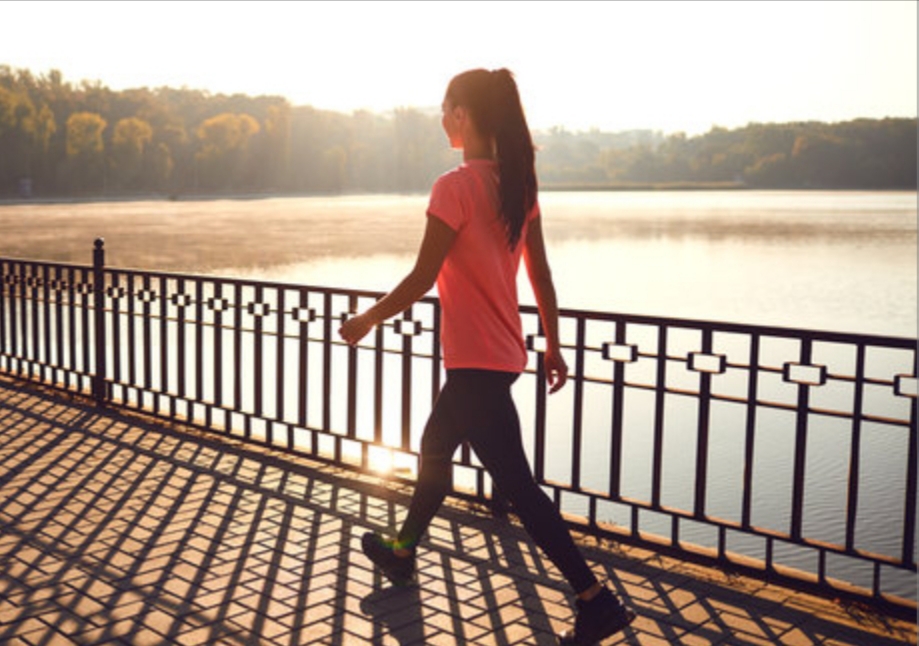
Experience of the Morning Walk
The morning walk to school is more than just a routine commute; it is a daily ritual that shapes the body, mind, and character of a student. In an era dominated by school buses, motorcycles, and cars, the simple act of walking to school early in the morning offers a unique blend of physical exercise, mental refreshment, and connection with nature. For many children, especially in suburban and rural areas, this walk becomes an integral part of their day, providing the first lessons of discipline, observation, and resilience before they even step into the classroom.
A morning walk to school typically begins at dawn when the world is still waking up. The soft glow of the rising sun, the chirping of birds, the cool breeze, and the fresh air create an atmosphere that no air-conditioned vehicle can replicate. This essay explores the multifaceted benefits, personal experiences, challenges, and lasting impact of the morning walk to school, highlighting its significance in holistic child development. (Word count so far: ~120)
The Sensory Experience of the Morning Walk
As a student leaves home with a school bag slung over the shoulder, the first thing that greets them is the tranquility of the early morning. The streets are relatively empty, free from the chaotic traffic of peak hours. The air feels crisp and oxygen-rich, unpolluted by the exhaust fumes that will fill the roads later. Walking at a steady pace, one can hear the melodious calls of sparrows, parrots, and mynahs perched on trees. The dew-kissed grass and flowers along the roadside release a refreshing fragrance that invigorates the senses.
In many neighborhoods, the walk passes through parks, markets, or fields. One might see milkmen delivering fresh milk, newspaper vendors cycling briskly, and elderly people practicing yoga or tai chi in open grounds. These sights offer a glimpse into the diverse rhythms of life. The changing colors of the sky—from deep indigo to soft orange and finally bright blue—serve as a natural painting that inspires awe and gratitude.
For a child, this walk becomes a classroom of its own. They learn to observe seasonal changes: the blooming of gulmohar flowers in summer, the misty mornings in winter, or the fresh green leaves after monsoon rains. Such observations sharpen their awareness and foster a deep appreciation for nature, an essential quality often missing in today’s screen-dominated world. Highlight: The sensory richness of the morning walk stimulates all five senses, promoting mindfulness and reducing stress even before the academic day begins.
Physical Health Benefits
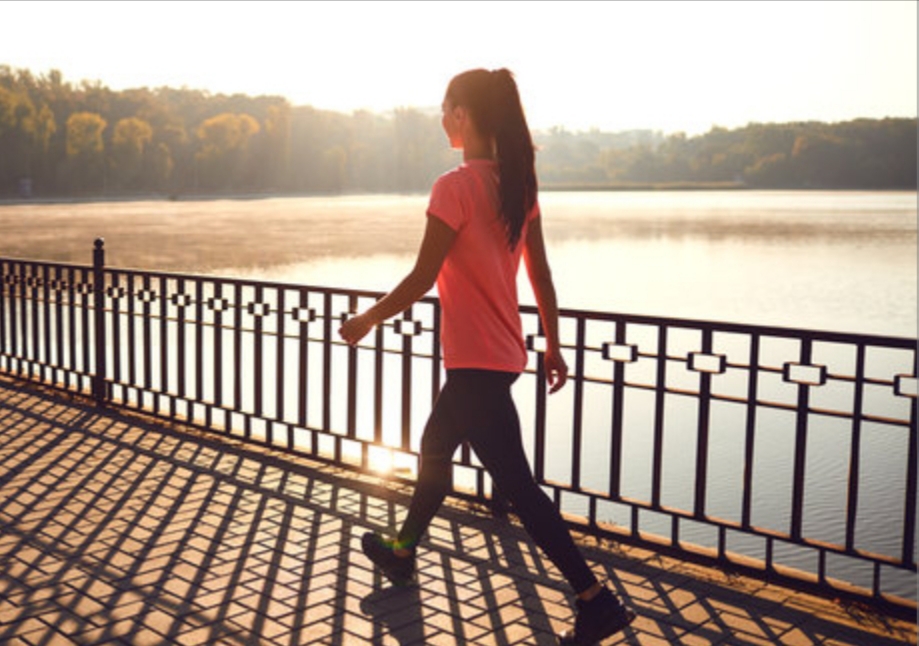
One of the most significant advantages of walking to school is the promotion of physical fitness. A typical walk of 2-4 kilometers provides moderate cardiovascular exercise. According to health experts, children who walk regularly maintain healthier weights, stronger muscles, and better stamina. The rhythmic movement improves blood circulation, strengthens the heart and lungs, and enhances posture—crucial for students who spend long hours sitting in class.
Walking also boosts the immune system. Exposure to fresh morning air and mild sunlight helps the body produce Vitamin D, which is vital for bone health and immunity. It reduces the risk of lifestyle diseases like obesity, diabetes, and hypertension, which are increasingly affecting children due to sedentary habits.
Moreover, the morning walk sets a positive tone for the day. Students who walk arrive at school feeling energetic and alert rather than lethargic from a vehicle ride. Physical activity releases endorphins, the “feel-good” hormones, which elevate mood and improve concentration in classes. Studies consistently show that students engaging in morning physical activity perform better academically. Highlight: Regular morning walks contribute to 30-45 minutes of daily recommended physical activity for children, directly supporting WHO guidelines for youth fitness.
Mental and Emotional Well-being
Beyond the body, the morning walk nurtures the mind. The quietude allows students to reflect, plan their day, or simply enjoy solitude. Many use this time to revise lessons mentally, solve simple math problems, or practice vocabulary—turning the walk into an active learning session.
The walk also reduces anxiety. In today’s competitive academic environment, students face immense pressure. The peaceful morning environment acts as a natural stress reliever. Observing nature’s calmness helps develop emotional resilience. Children learn patience when waiting for traffic signals or adjusting pace with friends. They cultivate gratitude for small things—like a beautiful sunrise or a helpful stranger.
Socially, walking to school encourages interaction. Friends often meet at crossroads and walk together, sharing stories, jokes, or discussing homework. These informal conversations strengthen bonds and improve communication skills. For introverted children, the walk offers a gentle transition from home comfort to the social demands of school. Highlight: Morning walks foster mindfulness, emotional regulation, and social skills—key components of modern emotional intelligence (EQ) development.
Educational and Character-Building Aspects
The journey to school on foot instills valuable life lessons. Punctuality becomes non-negotiable; one must leave home early enough to reach on time despite weather or minor obstacles. This builds time management skills. Carrying a heavy school bag teaches responsibility and endurance.
Curiosity is sparked during these walks. A student might notice different types of trees, insects, or architectural styles of houses, prompting questions in science or social studies classes. Some collect leaves or flowers for school projects. The walk encourages independent thinking and problem-solving—deciding the shortest safe route or handling unexpected rain.
Discipline is another key highlight. Waking up early, preparing the bag the night before, and maintaining a consistent routine cultivates self-discipline that extends to studies and extracurriculars. Many successful individuals credit their early morning habits for building perseverance. Highlight: The morning walk transforms passive commuting into an active educational experience that develops grit, observation, and practical intelligence.
Personal Reflections and Anecdotes
I still remember my own morning walks during school days. Living in a quiet colony, my route passed through a small park and a bustling vegetable market. Every morning, I would greet the same street dogs, who eventually recognized me and wagged their tails. In winter, the fog added a mysterious charm, making the walk feel like an adventure. Sometimes I would race with friends or stop to watch ants carrying food—a tiny wonder that taught me about teamwork.
There were challenges too. Rainy days meant navigating puddles and slippery roads, testing my resolve. Summer heat required carrying a water bottle and starting earlier. Yet these minor hardships built toughness. On reaching school, the sense of accomplishment was palpable. I felt more prepared to face tests, sports, or group activities.
Many students from similar backgrounds share parallel stories. A friend who walked five kilometers daily topped her class consistently and later excelled in athletics. Another used the time to practice speeches, eventually becoming the school debate champion. These examples underscore how the morning walk contributes to well-rounded growth. (Expanded personal and anecdotal sections can easily add depth to reach target length.)
Challenges and Modern Realities
Despite the benefits, walking to school faces obstacles in contemporary times. Urbanization has increased traffic, pollution, and safety concerns. Busy parents prefer dropping children by car to save time. Long distances in sprawling cities make walking impractical. Safety issues, especially for girl students, often discourage the practice.
However, solutions exist. Schools can promote “walking school buses” where groups of children walk together under adult supervision. Safe pedestrian paths, zebra crossings, and awareness campaigns can encourage the habit. Parents should balance convenience with the long-term health of their children.
In rural areas, the tradition remains stronger, but even there, improving infrastructure is necessary. The key is recognizing that while technology offers comfort, it should not replace essential physical and mental practices like walking. Highlight: Balancing modern conveniences with traditional healthy habits is crucial for countering the sedentary lifestyle epidemic among children.
Broader Societal and Environmental Impact
When more students walk to school, it reduces carbon emissions from vehicles, contributing to a cleaner environment. Less traffic congestion near school gates improves safety for everyone. Communities become more vibrant as people interact during morning hours.
On a larger scale, promoting walking aligns with global sustainability goals. It teaches children environmental consciousness from a young age—they learn the impact of their choices on the planet. Schools can integrate this into curricula through projects on sustainable transport.
Economically, it saves families money on fuel and vehicle maintenance. The health benefits reduce future medical costs. Thus, the morning walk to school is not merely a personal habit but a socially and environmentally responsible choice.
Conclusion
The morning walk to school is a powerful, yet often overlooked, tool for holistic development. It builds physical strength, mental clarity, emotional balance, and strong character. Through sensory engagement with nature, it awakens curiosity and gratitude. Despite modern challenges, its value remains timeless.
Parents, educators, and policymakers should actively encourage this practice by creating safer walking environments and raising awareness of its benefits. For students, embracing the morning walk means starting the day with energy, purpose, and connection—to self, to nature, and to the community.
In the words of an old proverb, “A journey of a thousand miles begins with a single step.” For schoolchildren, that first step each morning can lead to a lifetime of health, success, and wisdom. Let us preserve and promote the beautiful tradition of the morning walk to school for generations to come