
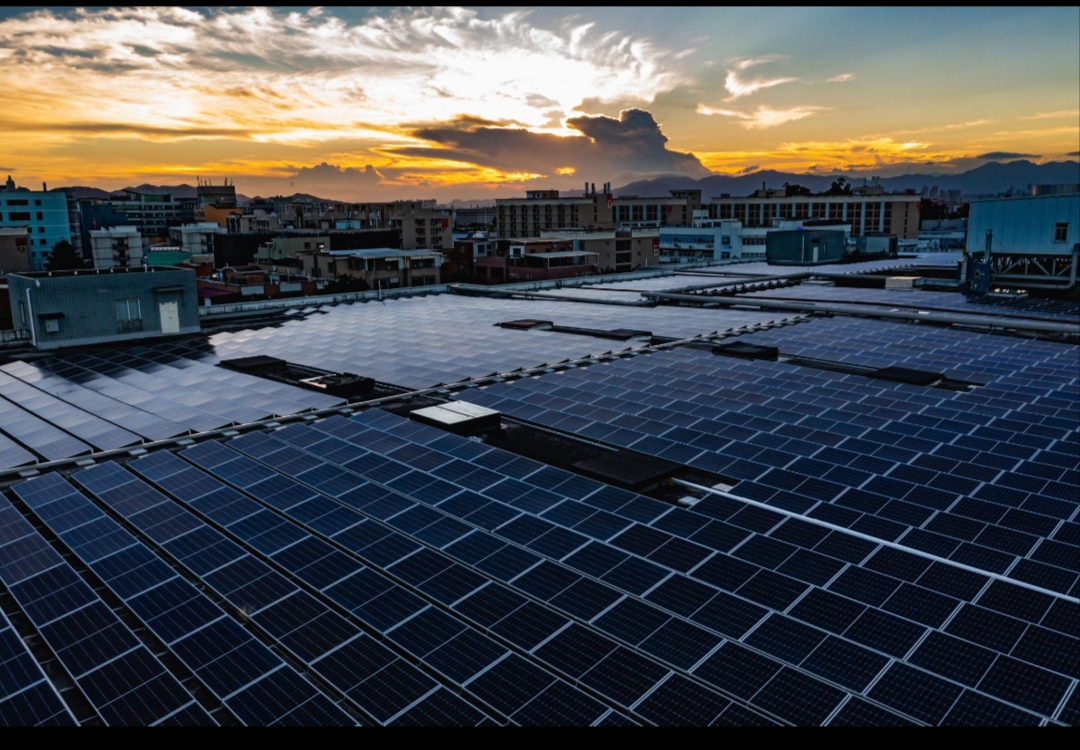
How to Estimate Your Roof’s Solar Potential
Before investing in a solar installation, one of the first questions homeowners ask is: How much electricity can my roof actually generate? Fortunately, you can make a useful preliminary estimate before arranging a professional site assessment.
The Basic Formula
A simple way to estimate annual solar production is:
Annual Energy Output = System Capacity (kWp) × Annual Full-Load Hours
Full-load hours represent the equivalent number of hours during which a solar system would operate at its maximum rated capacity over a year.
Depending on the location, climate, orientation, and other conditions, annual full-load hours can vary considerably. A system rated at 8 kWp, for example, could potentially generate around 7,200 to 11,200 kWh per year if the site receives approximately 900–1,400 full-load hours annually.
This is only an initial estimate. Actual production can be higher or lower depending on the characteristics of the property and solar system.
What Affects Solar Production?
Roof Orientation
The direction your roof faces has a major influence on how much sunlight the panels receive.
A roof with a favorable orientation can capture more useful sunlight throughout the day. Roofs facing less favorable directions may still be suitable for solar panels, but the expected production can differ.
Roof Tilt
The angle of the roof also affects solar performance. A suitable tilt can help panels receive sunlight more effectively throughout the year.
However, there is no single ideal angle for every property. The best tilt depends on the location and the desired production pattern.
Shading
Shadows can significantly reduce solar production.
Trees, chimneys, neighboring buildings, dormers, walls, and other structures can block sunlight from reaching the panels. Even partial shading can affect the output of a group of panels, depending on the system design.
Panel Temperature
Solar panels perform differently under different temperatures. Although sunlight is necessary for electricity production, excessive heat can slightly reduce panel efficiency.
This means that a very sunny day is not necessarily the same as the panel’s most efficient operating condition.
Dust and Dirt
Dust, leaves, bird droppings, and other debris can reduce the amount of sunlight reaching the panel surface.
The effect varies according to local weather conditions, roof location, panel angle, and rainfall. Regular inspection and appropriate cleaning can help maintain performance.
Inverter Performance
The inverter converts the electricity generated by the panels into a form that can be used by household electrical systems.
Inverter efficiency, system design, age, and operating conditions can influence the amount of electricity ultimately available for use.
Estimating Available Roof Space
Before calculating potential electricity production, estimate how much usable roof space you have.
Measure the approximate length and width of the roof section where panels could be installed. Then consider areas that cannot be used because of:
- Chimneys
- Skylights
- Roof windows
- Ventilation equipment
- Roof edges
- Walkways
- Heavy shading
- Structural limitations
Not every square meter of roof area can necessarily accommodate a panel.
Why Location Matters
Solar potential varies significantly from one region to another. Two roofs with exactly the same size can produce different amounts of electricity because they receive different amounts of sunlight.
Climate, latitude, seasonal weather, cloud cover, and local conditions all influence solar production.
For this reason, a location-specific estimate is more useful than relying on a general national average.
Using an Online Solar Calculator
A Quick First Estimate
Online solar calculators can provide a convenient starting point. By entering information such as location, roof area, orientation, and system size, homeowners can obtain an approximate estimate of annual production.
This can help answer basic questions such as:
- Is my roof suitable for solar?
- What system size might fit?
- How much electricity could it potentially produce?
- Could solar meaningfully reduce my electricity purchases?
A calculator should be treated as an initial planning tool rather than a guarantee of actual production.
Comparing Different System Sizes
You can also use a calculator to compare different system capacities.
For example, you might compare a 4 kWp, 6 kWp, 8 kWp, or 10 kWp system and consider which option best matches your electricity consumption and available roof area.
Estimating Your Household’s Electricity Needs
Roof potential is only one side of the calculation. You should also examine how much electricity your household actually uses.
Look at your electricity bills from the previous 12 months and calculate your approximate annual consumption.
For example, if your household uses approximately 8,000 kWh per year, a solar system producing around the same amount annually could theoretically cover a large portion of your annual electricity demand.
However, production and consumption do not necessarily occur at the same time. A household may generate significant electricity during the day while consuming more electricity during the evening.
Solar Production and Electricity Consumption
Daytime Usage
Homes that consume considerable electricity during daylight hours may be able to use a larger portion of their solar generation directly.
Common daytime loads can include appliances, water heating, cooling systems, computers, and other electrical equipment.
Evening Usage
If most electricity consumption occurs after sunset, solar production may not directly coincide with demand.
Depending on local regulations and the available system configuration, excess daytime electricity may be exported to the grid or stored in batteries.
Why an On-Site Assessment Still Matters
An online estimate cannot identify every condition affecting a particular roof.
A professional assessment can examine:
- Actual shading throughout the day
- Roof condition
- Structural suitability
- Electrical infrastructure
- Cable routes
- Panel placement
- Safety requirements
- Local installation conditions
These factors can change the recommended system size and expected production.
Roof Condition
Check Before Installation
The condition and remaining life of a roof should be considered before installing solar panels.
If major roof repairs are likely to be required soon, completing those repairs beforehand may be more practical than installing panels and later removing them for roof work.
Structural Considerations
Solar equipment adds weight and creates additional structural and wind-load considerations.
A qualified professional should determine whether the roof and mounting system are appropriate for the proposed installation.
Estimating Solar Potential Step by Step
Step 1: Determine Your Location
Start with the property’s exact location because solar radiation varies by region.
Step 2: Measure Usable Roof Area
Estimate the roof space available after excluding obstacles and heavily shaded areas.
Step 3: Identify Orientation and Tilt
Determine the direction and approximate angle of each usable roof section.
Step 4: Estimate System Capacity
Based on the usable area and available panel specifications, estimate how many panels could potentially fit.
Step 5: Estimate Annual Production
Multiply the estimated system capacity by the expected annual full-load hours for the location.
Step 6: Compare With Electricity Consumption
Compare potential annual solar generation with your household’s historical electricity consumption.
Step 7: Arrange a Professional Assessment
Once the initial numbers look promising, request a detailed assessment and installation proposal.
Example Calculation
Suppose a homeowner considers an 8 kWp solar system.
If the location receives approximately 1,200 full-load hours per year:
8 kWp × 1,200 hours = 9,600 kWh per year
This means the system could theoretically produce around 9,600 kWh annually under the assumed conditions.
Actual production will vary because of shading, temperature, system losses, orientation, maintenance, weather, and other factors.
Don’t Focus Only on Roof Size
A large roof does not automatically mean a large solar system is appropriate.
The best system should consider both available roof space and household electricity demand.
Installing more capacity than necessary may not always provide the best financial outcome, particularly where electricity-export rules or compensation rates limit the value of excess generation.
Final Thoughts
Estimating your roof’s solar potential is a useful first step before requesting a professional solar proposal. By considering your location, roof area, orientation, tilt, shading, household electricity consumption, and estimated solar production, you can develop a realistic idea of what your property may be able to achieve.
An online calculator can make the initial assessment quick and convenient, while a professional site inspection provides the detailed information needed before installation.
The goal is not simply to install as many panels as possible. It is to choose a system size and design that makes sensible use of your roof, matches your electricity needs, and performs reliably under your local conditions.