Solar Energy: A Complete Guide to Clean and Sustainable Power
Solar energy is one of the fastest-growing sources of renewable energy in the world. It harnesses the power of the sun to generate electricity and heat, providing a clean, sustainable, and cost-effective alternative to fossil fuels. As energy demands rise and environmental concerns grow, solar energy solutions are becoming essential for homes, businesses, and industries.
This article explores everything you need to know about solar energy, including how it works, its benefits, types of systems, applications, and future potential.
What is Solar Energy?
Definition of Solar Energy
Solar energy is the energy obtained from sunlight. It can be converted into electricity or heat using specialized technologies such as solar panels and solar thermal systems.
How Solar Energy Works
Solar energy systems use photovoltaic (PV) cells to convert sunlight into electricity. When sunlight hits these cells, it generates an electric current that can be used to power homes and devices.
Steps involved:
- Sunlight hits the solar panels
- PV cells convert sunlight into direct current (DC)
- An inverter converts DC into alternating current (AC)
- Electricity is used in homes or stored in batteries
Types of Solar Energy Systems
Grid-Tied Solar Systems
These systems are connected to the main electricity grid. They allow users to use solar power during the day and draw electricity from the grid when needed.
Off-Grid Solar Systems
Off-grid systems operate independently of the grid. They are ideal for remote areas and rely on battery storage for continuous power supply.
Hybrid Solar Systems
Hybrid systems combine grid-tied and off-grid features. They use solar panels, batteries, and grid connection for maximum efficiency and reliability.
Benefits of Solar Energy
Environmental Benefits
- Reduces carbon emissions
- Decreases air pollution
- Promotes clean energy usage
Economic Benefits
- Lowers electricity bills
- Provides long-term savings
- Increases property value
Energy Independence
Solar energy allows users to generate their own electricity, reducing dependence on traditional power sources.
Applications of Solar Energy
Residential Use
Solar panels can power homes, reducing electricity costs and providing backup power during outages.
Commercial Use
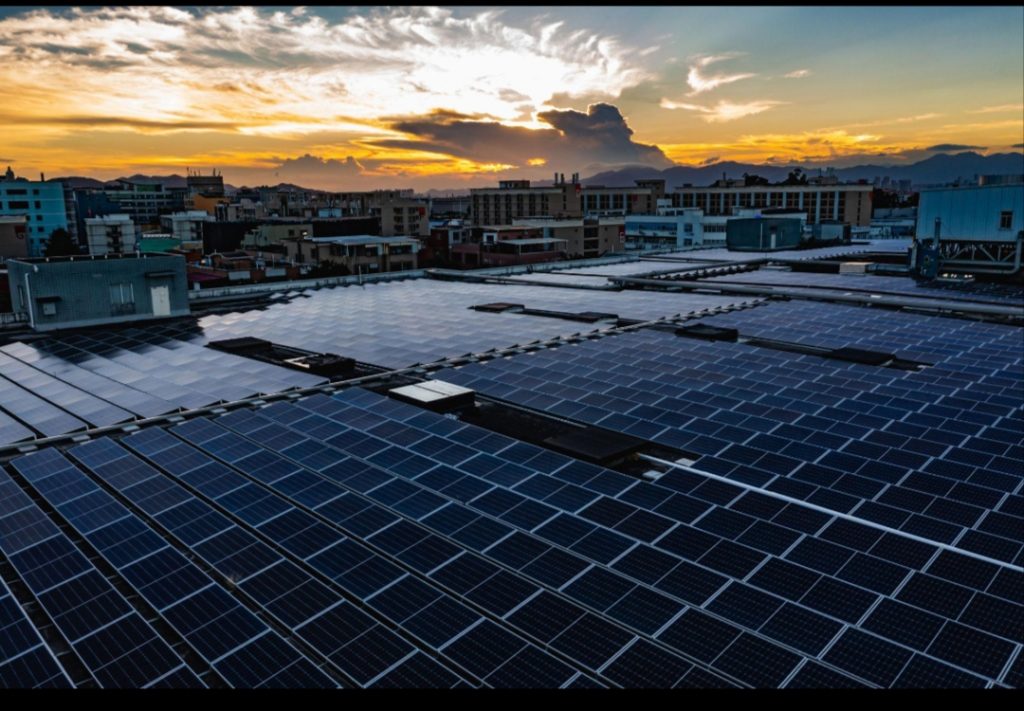
Businesses use solar energy to reduce operational costs and improve sustainability.
Agricultural Use
Farmers use solar-powered systems for irrigation, water pumping, and lighting.
Industrial Use
Industries use solar energy for large-scale power generation and reducing carbon footprint.
Solar Energy in Developing Countries
Solar energy plays a vital role in providing electricity to rural and remote areas. It helps improve living standards and supports economic growth.
Challenges of Solar Energy
Initial Cost
The installation cost of solar systems can be high, although prices are decreasing over time.
Weather Dependence
Solar energy production depends on sunlight, which can vary due to weather conditions.
Storage Limitations
Battery storage systems can be expensive and require maintenance.
Future of Solar Energy
Technological Advancements
Innovations in solar panel efficiency and battery storage are making solar energy more accessible and efficient.
Global Growth
Solar energy is expected to become a major source of electricity worldwide as governments and organizations invest in renewable energy.
Sustainable Development
Solar energy supports global efforts to reduce climate change and promote sustainable development.
Tips for Adopting Solar Energy
Assess Your Energy Needs
Understand your electricity consumption before installing a solar system.
Choose the Right System
Select a system based on your location, budget, and energy requirements.
Maintenance
Regular cleaning and inspection ensure optimal performance of solar panels.
Conclusion
Solar energy is a powerful and sustainable solution to the world’s growing energy needs. It offers environmental, economic, and social benefits, making it an ideal choice for the future. By adopting solar energy solutions, individuals and businesses can reduce costs, protect the environment, and contribute to a cleaner planet.
FAQs
1. What is solar energy?
Solar energy is energy derived from sunlight and converted into electricity or heat.
2. Is solar energy renewable?
Yes, it is a renewable and sustainable source of energy.
3. Can solar panels work at night?
No, but stored energy in batteries can be used at night.
4. Is solar energy expensive?
Initial costs can be high, but long-term savings make it cost-effective.
5. What are the main uses of solar energy?
It is used in homes, businesses, agriculture, and industries for power generation.