
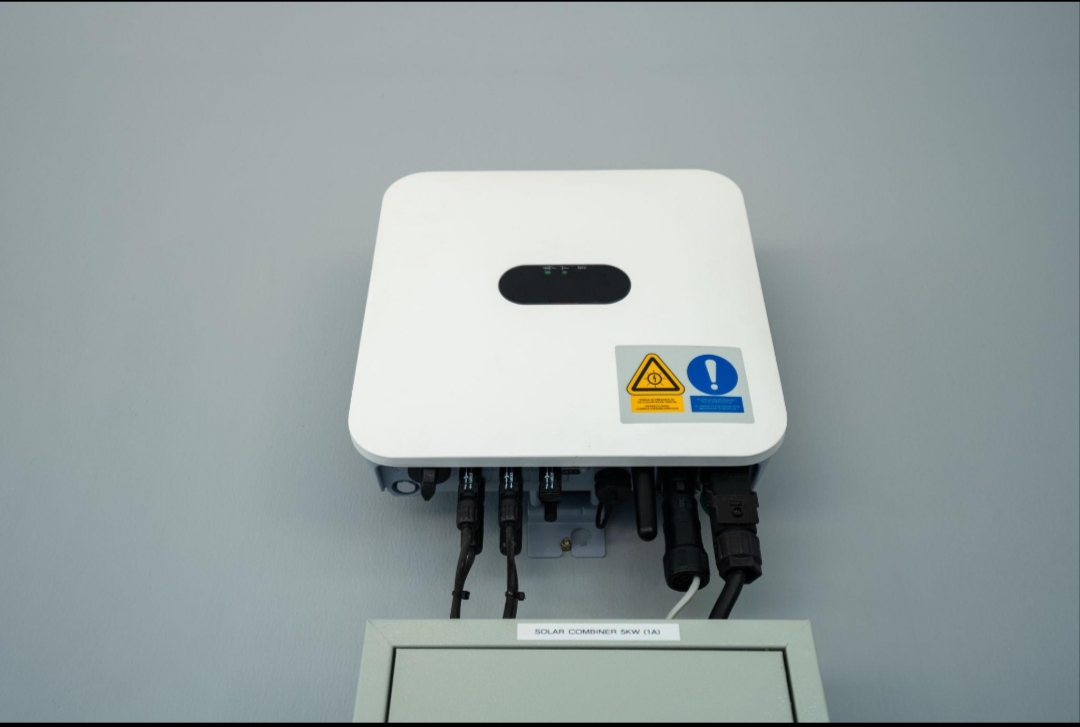
Solar Inverter
A solar inverter is one of the most important components of any solar energy system. While solar panels generate electricity from sunlight, the inverter ensures that this energy can be used safely in homes, businesses, and industries. Without a solar inverter, the electricity produced by solar panels would not be compatible with most electrical devices.
This guide explains everything you need to know about solar inverters, including how they work, types, benefits, and how to choose the right one.
What is a Solar Inverter?
Definition of Solar Inverter
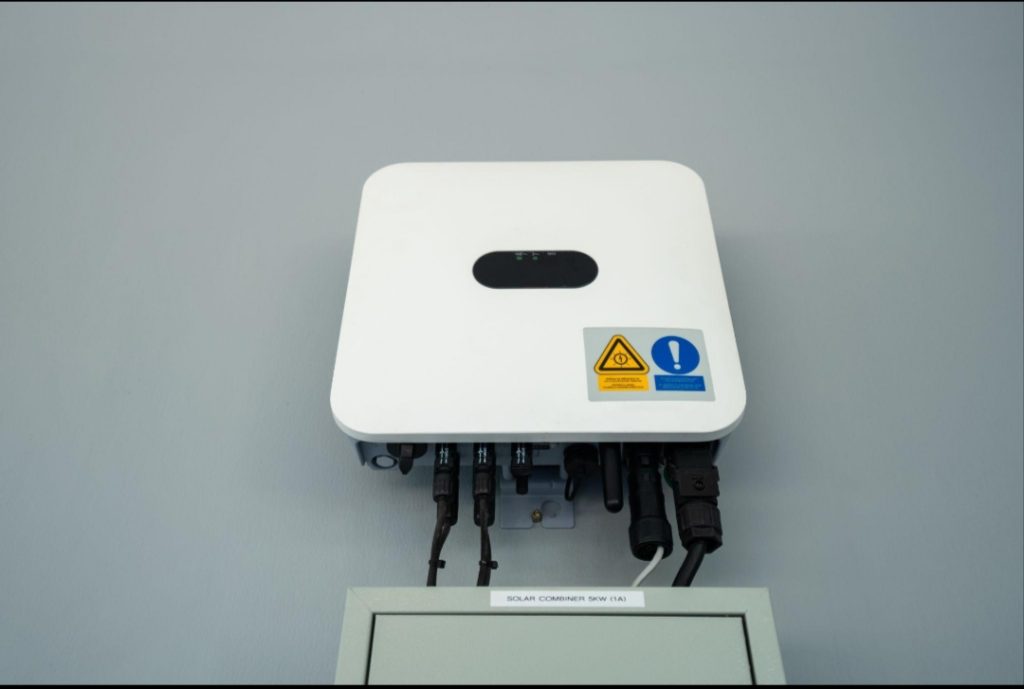
A solar inverter is an electrical device that converts direct current (DC) electricity generated by solar panels into alternating current (AC) electricity. AC power is the standard form used by household appliances and electrical systems.
Why is a Solar Inverter Important?
Solar panels produce DC electricity, but most appliances require AC power. The inverter acts as the bridge between solar panels and usable electricity.
It also plays a role in:
- Monitoring system performance
- Ensuring safety and efficiency
- Managing power distribution
How a Solar Inverter Works
Step-by-Step Process
- Solar panels capture sunlight and generate DC electricity
- DC electricity flows into the solar inverter
- The inverter converts DC into AC electricity
- AC power is supplied to your home or business
- Excess energy may be stored in batteries or sent to the grid
Types of Solar Inverters
String Inverters
String inverters are the most commonly used type. Multiple solar panels are connected in a series (string) and linked to a single inverter.
Advantages:
- Cost-effective
- Easy installation
- Suitable for simple systems
Microinverters
Microinverters are installed on each individual solar panel. Each panel operates independently.
Advantages:
- Higher efficiency
- Better performance in shaded areas
- Easy system monitoring
Hybrid Inverters
Hybrid inverters combine solar power with battery storage systems.
Advantages:
- Store excess energy
- Provide backup during power outages
- Flexible energy management
Off-Grid Inverters
These are designed for systems not connected to the main electricity grid.
Advantages:
- Ideal for remote locations
- Works with battery storage
- Provides complete energy independence
Key Features of Solar Inverters
Efficiency
A high-efficiency inverter converts more solar energy into usable electricity, reducing energy loss.
Safety Protection
Modern solar inverters include safety features such as:
- Overload protection
- Short circuit protection
- Temperature control
Monitoring Capability
Many inverters offer monitoring systems that allow users to track energy production and system performance.
Benefits of Solar Inverters
Energy Conversion
The main benefit is converting solar energy into usable electricity for daily needs.
Improved System Performance
Solar inverters optimize energy usage and improve overall system efficiency.
Grid Integration
In grid-tied systems, inverters allow energy to be shared with the power grid.
Choosing the Right Solar Inverter
Consider Your Energy Needs
Evaluate how much electricity you use daily to choose the right inverter capacity.
System Type
Decide whether you need a grid-tied, off-grid, or hybrid system.
Budget
Choose an inverter that fits your budget while offering good performance and durability.
Installation Location
Ensure proper ventilation and protection from extreme weather conditions.
Maintenance of Solar Inverters
Regular Inspection
Check for dust, loose connections, or unusual noise.
Cleaning
Keep the inverter clean to maintain efficiency.
Professional Servicing
Schedule periodic maintenance by qualified technicians.
Common Problems and Solutions
Overheating
Ensure proper ventilation and avoid direct sunlight exposure.
Low Efficiency
Check for system faults or shading issues.
Error Messages
Refer to the user manual or consult a technician.
Future of Solar Inverters
Smart Inverters
Advanced inverters now include smart technology for better energy management.
Integration with Smart Homes
Solar inverters are becoming part of smart home systems, allowing automated energy control.
Improved Efficiency
Ongoing research is leading to more efficient and durable inverter designs.
Conclusion
A solar inverter is a vital component of any solar energy system, ensuring that the electricity generated by solar panels can be used efficiently and safely. With various types available, choosing the right inverter depends on your energy needs, system type, and budget.
Investing in a good solar inverter enhances performance, ensures reliability, and supports the transition toward clean and sustainable energy.
FAQs
1. What does a solar inverter do?
It converts DC electricity from solar panels into AC electricity for use.
2. Which type of solar inverter is best?
It depends on your needs—string inverters are common, while hybrid and microinverters offer advanced features.
3. How long does a solar inverter last?
Typically 8–15 years, depending on quality and maintenance.
4. Can a solar inverter work without batteries?
Yes, in grid-tied systems, batteries are not required.
5. Is maintenance required for solar inverters?
Yes, regular inspection and cleaning help maintain efficiency.