
TV: A Complete Guide to Television Technology and Entertainment
Television, commonly known as TV, is one of the most influential inventions in modern history. It has transformed how people receive information, enjoy entertainment, and stay connected with the world. From early black-and-white screens to today’s ultra-high-definition smart displays, TV technology has evolved significantly over time.
This article provides a complete overview of television, including its history, types, features, benefits, and its role in modern life.
What is Television (TV)?
Definition of TV
Television (TV) is an electronic system used to transmit moving images and sound for entertainment, education, and information. It allows users to watch programs such as movies, news, sports, and documentaries.
How Television Works
Television works by receiving broadcast signals or digital data and converting them into images and sound.
Basic process:
- Signals are transmitted from a broadcasting station
- The TV receives the signal through an antenna, cable, or internet
- The signal is processed into video and audio
- Images and sound are displayed on the screen
Evolution of Television
Early Television (CRT)
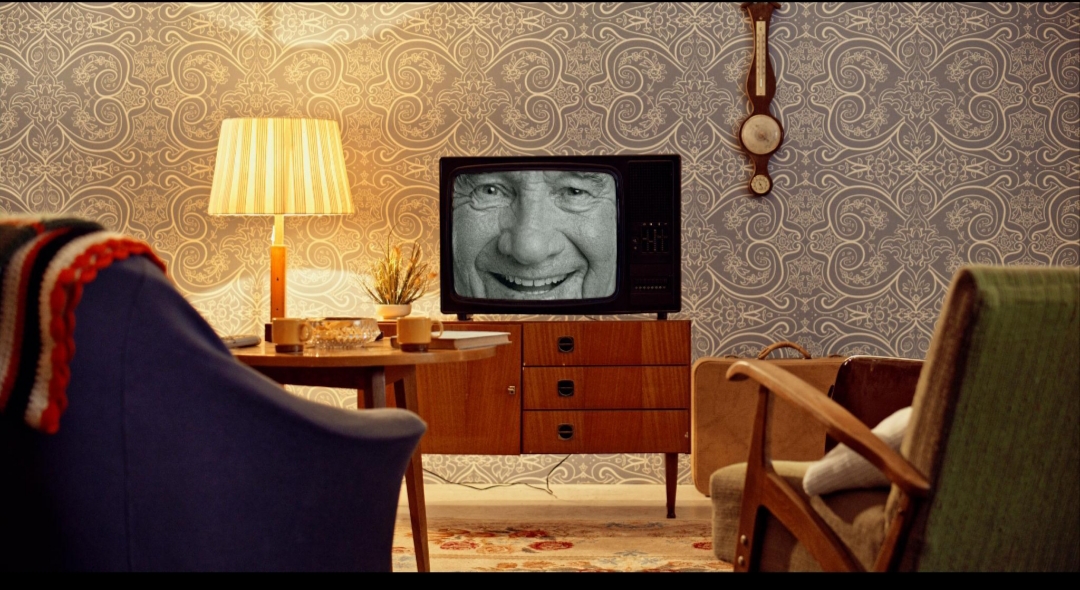
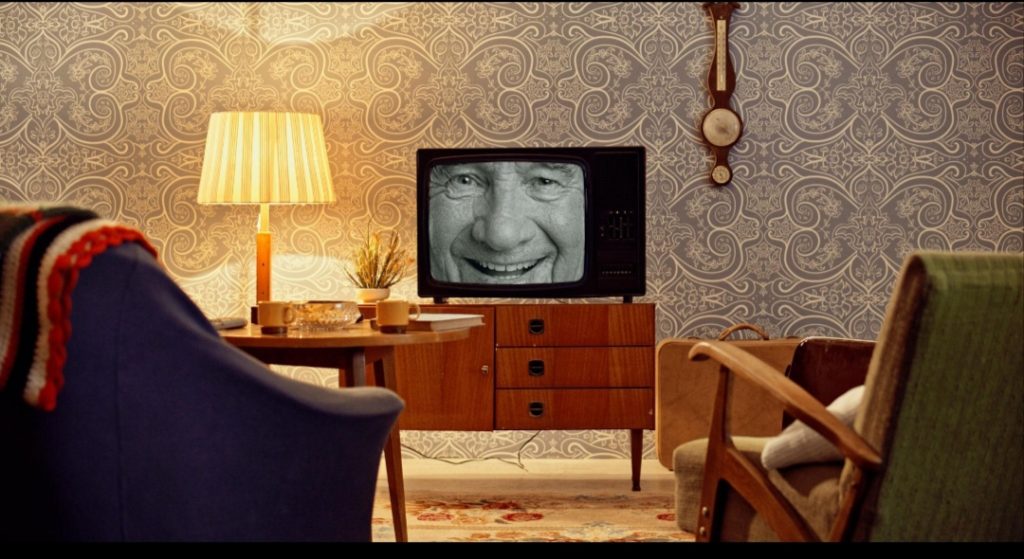
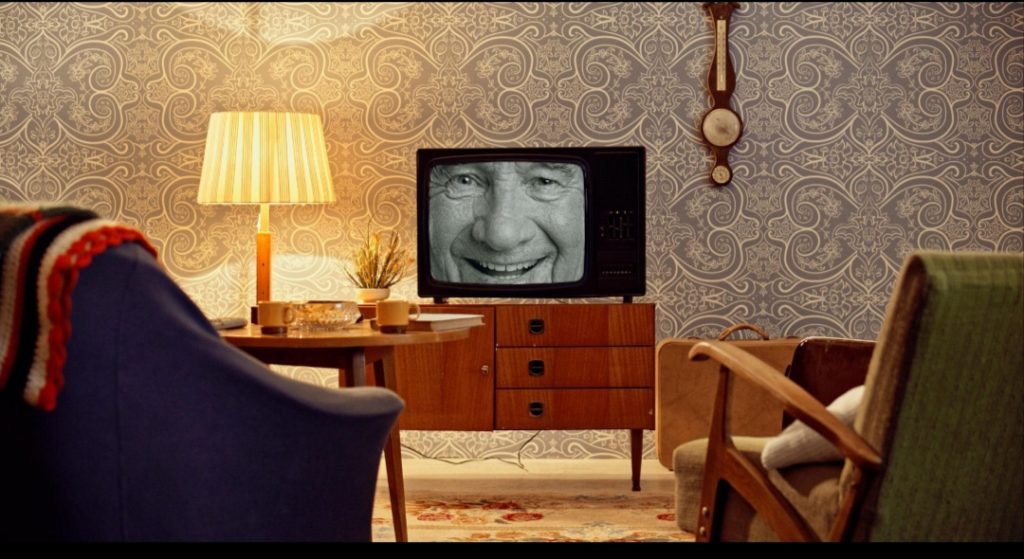
The first TVs used Cathode Ray Tube (CRT) technology. These were bulky and displayed images in black and white, later evolving into color TVs.
Flat Screen TVs
With technological advancements, TVs became slimmer and more efficient:
- LCD (Liquid Crystal Display)
- LED (Light Emitting Diode)
- Plasma TVs
Smart TVs
Modern TVs are now smart devices that connect to the internet and provide access to apps, streaming services, and online content.
Types of TVs
LED TVs
LED TVs are energy-efficient and provide bright, clear images. They are widely used today.
OLED TVs
OLED TVs offer superior picture quality with deep blacks and vibrant colors.
QLED TVs
These TVs use advanced technology to enhance brightness and color accuracy.
Smart TVs
Smart TVs come with built-in internet connectivity and apps, allowing users to stream content without additional devices.
Key Features of Modern TVs
High Resolution
Modern TVs support resolutions such as:
- Full HD (1080p)
- 4K Ultra HD
- 8K Ultra HD
Smart Connectivity
- Wi-Fi and Bluetooth support
- Screen mirroring
- App integration
Audio and Visual Enhancements
- Surround sound systems
- HDR (High Dynamic Range)
- Improved color accuracy
Uses of Television
Entertainment
TV is widely used for watching movies, dramas, and shows.
News and Information
It provides real-time updates on current events.
Education
Educational programs and documentaries help in learning and awareness.
Gaming
Modern TVs support gaming consoles and provide immersive experiences.
Advantages of TV
Easy Access to Information
Television provides quick access to news and global events.
Family Entertainment
It brings families together for shared viewing experiences.
Educational Value
TV programs can enhance knowledge and awareness.
Disadvantages of TV
Screen Time
Excessive TV watching can affect health and productivity.
Content Quality
Not all content is educational or beneficial.
Dependency
Over-reliance on TV may reduce physical and social activities.
Future of Television
Smart and AI Integration
Future TVs will use artificial intelligence to personalize content.
Ultra-High Definition
Higher resolutions like 8K will become more common.
Interactive Viewing
Users will have more control over content and viewing experience.
Conclusion
Television (TV) has come a long way from its early days to becoming a central part of modern life. It continues to evolve with new technologies, offering better quality, smarter features, and more interactive experiences. Whether for entertainment, education, or information, TV remains one of the most important devices in households worldwide.
FAQs
1. What does TV stand for?
TV stands for Television.
2. What are the types of TVs?
LED, OLED, QLED, and Smart TVs are common types.
3. What is a Smart TV?
A Smart TV connects to the internet and allows streaming and app usage.
4. What is the best resolution for TV?
4K is currently the most popular high-quality resolution.
5. Is watching TV harmful?
Watching TV in moderation is fine, but excessive use can affect health.