
Old Mobile Phones: History, Reuse, Recycling, and Responsible
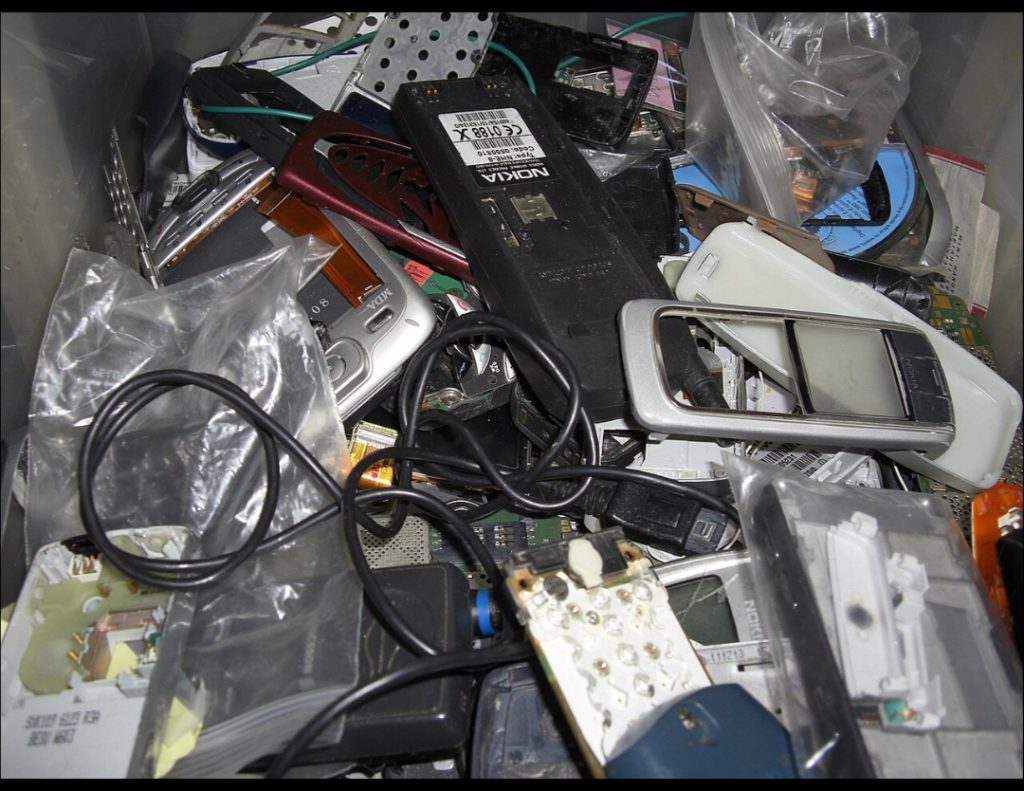
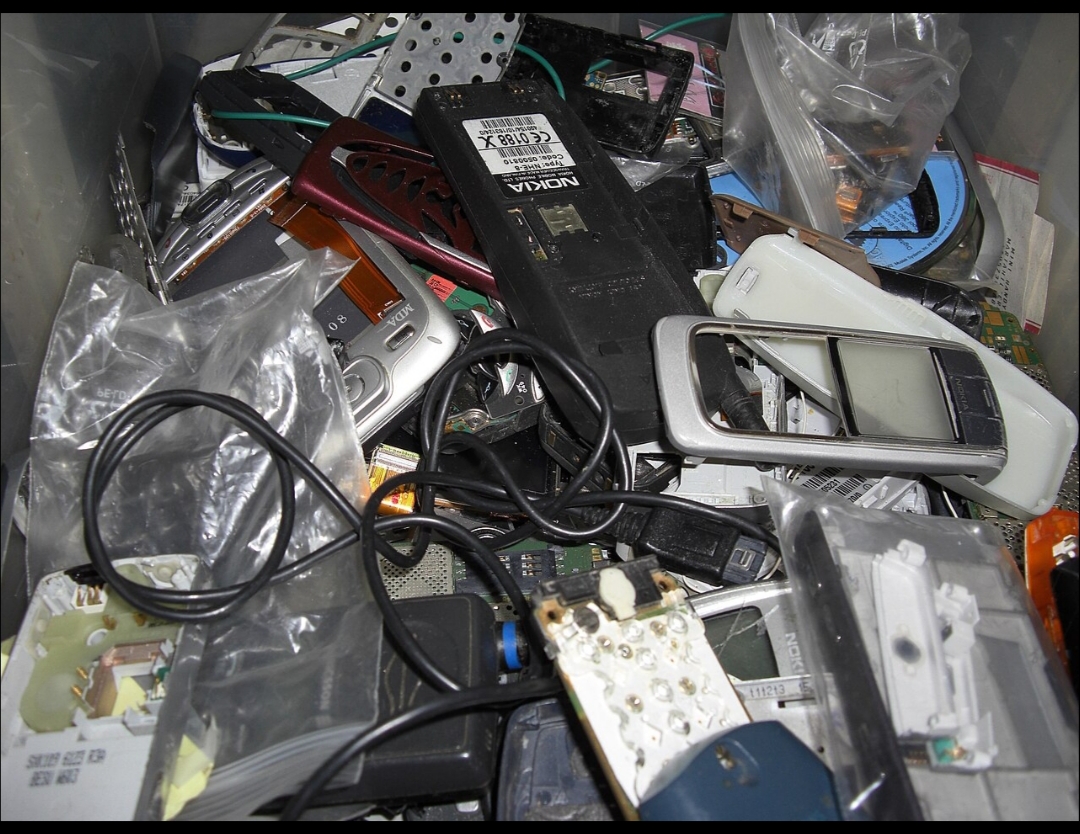
Old mobile phones represent a significant part of the global electronic waste (e-waste) stream. Once essential communication tools, these devices now pile up in drawers, cupboards, or informal scrap markets as users upgrade to newer models. In Pakistan, where mobile subscriptions exceed 180 million, the accumulation of old phones creates both challenges and opportunities for reuse, recycling, and environmental protection.
This article explores the evolution of mobile technology, practical ways to handle old devices, environmental implications, and specific guidance for users in Pakistan, including Lahore and southern Punjab regions.
The Evolution of Mobile Phones: From Bricks to Smart Devices
The history of mobile phones spans decades of innovation that transformed communication.
Early Milestones
In 1973, engineer Martin Cooper made the first handheld mobile phone call in New York. The prototype weighed over a kilogram and offered only about 30 minutes of talk time. By 1983, the first commercial mobile phone became available — a bulky, expensive device costing thousands of dollars.
The 1990s brought digital networks (2G), SMS messaging, and smaller designs. Iconic models with games like Snake gained massive popularity. The early 2000s introduced cameras, color screens, and basic internet access.
The Smartphone Era
The 2007 launch of the first iPhone marked a turning point, combining a touchscreen, music player, camera, and full web browser. Android devices followed, leading to today’s powerful smartphones with advanced processors, multiple cameras, and AI features.
Each upgrade cycle leaves behind older models that still function for basic tasks but lack modern capabilities like fast internet, security updates, or app compatibility.
Why People Replace Old Mobile Phones
Common reasons for discarding old phones include:
- Performance Issues — Slow processing, lagging apps, or drained batteries.
- Software Obsolescence — No more security updates or support for new apps.
- Physical Damage — Cracked screens, faulty buttons, or water damage.
- Desire for New Features — Better cameras, 5G connectivity, or longer battery life.
- Fashion and Status — Newer designs appeal to users.
In Pakistan, rapid adoption of affordable smartphones accelerates this replacement cycle, especially in urban centers like Lahore, Multan, and Faisalabad.
Environmental Impact of Old Mobile Phones
Old mobile phones contribute to the growing e-waste crisis. Each device contains valuable materials (gold, silver, copper, rare earth elements) alongside hazardous substances (lead, mercury, cadmium, brominated flame retardants).
Global and Local Challenges
When improperly disposed, these toxins leach into soil and water, harming ecosystems and human health. Informal recycling — common in many developing countries — involves open burning or acid leaching, releasing pollutants into the air.
In Pakistan, e-waste generation reaches hundreds of thousands of tons annually, with mobile phones forming a notable portion. Major informal recycling hubs operate in Karachi, Lahore, Faisalabad, Gujranwala, and Peshawar. Workers, often in poorly ventilated spaces, face health risks including respiratory issues, skin problems, and long-term toxicity.
Domestic generation combines with imported used electronics, amplifying the problem. Without widespread formal recycling infrastructure, much waste ends up in landfills or informal processing sites.
What to Do with Your Old Mobile Phone: Practical Options
Instead of letting old phones gather dust, consider these responsible choices.
1. Reuse and Repurpose
Many old phones remain functional for secondary uses:
- Basic Phone for Children or Elderly — Install parental controls or simplify interfaces.
- Dedicated Music Player or Camera — Remove SIM and use offline features.
- Security Camera — Apps turn phones into IP cameras for home monitoring.
- GPS Tracker or E-Reader — Useful in vehicles or for reading downloaded books.
- Emergency Device — Keep one charged in your car or bag with important contacts.
In rural areas like Chak No. 295/WB near Dunyapur, old phones can serve families with limited resources for basic calling and messaging.
2. Sell or Trade-In
Pakistan has a thriving second-hand market:
- Platforms and local shops buy working phones.
- Check condition, battery health, and accessories to maximize value.
- In Lahore, markets in Hall Road, Anarkali, or online groups facilitate sales.
Always factory reset the device and remove your SIM and accounts before selling.
3. Donate to Charity or Community
Schools, NGOs, or low-income families often welcome functional older phones. Some organizations refurbish devices for distribution.
4. Recycle Responsibly
Extracting materials prevents mining new resources. In Pakistan, look for:
- Authorized service centers participating in manufacturer programs (some brands offer drop-off points).
- Local e-waste collectors or digital scrap platforms that provide pickup and payment.
- Government or private initiatives promoting formal recycling.
Step-by-Step Guide: Preparing Your Old Phone for Reuse or Recycling
- Backup Important Data — Photos, contacts, and files.
- Factory Reset — Remove all personal information (Settings > System > Reset).
- Remove SIM, Memory Card, and Case.
- Clean the Device — Wipe exterior gently.
- Assess Condition — Note scratches, battery status, and functionality.
- Choose Destination — Sell, donate, repurpose, or recycle.
- Dispose of Battery Properly — If damaged, handle with care.
Data Security and Privacy Concerns
Old phones may still contain sensitive information. Thoroughly wiping data protects against identity theft. Use built-in reset options or specialized software for complete erasure.
E-Waste Management in Pakistan: Current Status and Future Needs
Pakistan lacks comprehensive formal e-waste laws and facilities. Most processing occurs informally, creating environmental and health risks. Recent policies and awareness campaigns aim to improve the situation, but implementation remains limited.
Initiatives like digital scrap collection services and manufacturer take-back programs offer hope. Public awareness, especially in cities like Lahore, can drive demand for better systems. Citizens in southern Punjab can contribute by choosing responsible channels over informal scrap dealers.
Challenges Specific to Pakistan
- High volume of imported used phones.
- Limited awareness among general public.
- Economic reliance on informal recycling for livelihoods.
- Weak enforcement of environmental regulations.
Experts call for investment in formal facilities, extended producer responsibility (EPR), and public education.
Innovations and Creative Uses for Old Mobile Phones
Tech enthusiasts repurpose old phones into:
- Retro gaming devices.
- Smart home controllers.
- Educational tools for coding or basic computing.
- Art installations or museum exhibits showcasing technology evolution.
Globally, projects extract precious metals more efficiently while minimizing harm.
Tips for Extending the Life of Your Current Phone
To reduce future old phone accumulation:
- Use protective cases and screen guards.
- Keep software updated.
- Manage battery health (avoid extreme temperatures, don’t always charge to 100%).
- Clear storage regularly.
- Consider repair instead of replacement when possible.
Conclusion
Old mobile phones are more than outdated gadgets — they embody technological progress and carry environmental responsibilities. By choosing reuse, responsible selling, donation, or proper recycling, individuals can recover value, protect data, and reduce harm to the planet.
In Pakistan, from bustling Lahore markets to quiet villages like those in Dunyapur Tehsil, collective action can address the e-waste challenge. Support emerging formal recycling services, spread awareness, and think twice before discarding your old phone.
Every responsible decision contributes to a cleaner environment and a more sustainable future. Next time you upgrade your device, remember that your old mobile phone still has potential — give it a second life or ensure it returns to the resource cycle safely.